Triple Threat for Saskatchewan Farmers
Saskatchewan farmers are facing a perfect storm of challenges this growing season, as soaring fuel costs, skyrocketing fertilizer prices, and devastating floods converge to threaten crop yields and farm viability. The triple threat has left many producers struggling to manage input costs while dealing with waterlogged fields that delay planting and damage infrastructure.
Fuel and Fertilizer Costs Soar
Fuel prices have reached record highs, with diesel costs climbing more than 30% compared to last year. Combined with fertilizer prices that have more than doubled since 2024, farmers are facing unprecedented financial pressure. Many are being forced to take on additional debt or reduce acreage to stay afloat. The Saskatchewan Ministry of Agriculture estimates that input costs for a typical grain farm have increased by over $50,000 this season alone.
Flooding Compounds Problems
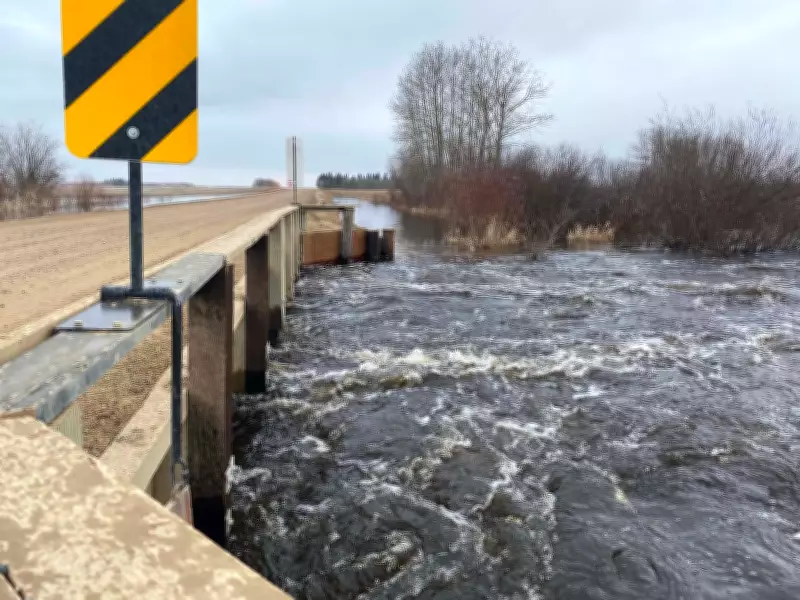
Heavy spring rains and rapid snowmelt have caused widespread flooding across central and southern Saskatchewan. Hundreds of acres of farmland remain submerged, and many rural roads are impassable. In some areas, entire fields have been lost, and farmers are scrambling to find dry ground for planting. The flooding has also damaged grain bins, fences, and drainage systems, adding to the financial burden.

Impact on Crop Production
The combination of high input costs and delayed planting is expected to reduce crop yields significantly. Canola, wheat, and pulse crops are particularly affected. Some farmers are considering switching to less input-intensive crops or leaving fields fallow. The Saskatchewan Wheat Development Commission warns that provincial production could drop by 15-20% this year, potentially driving up food prices nationally.
Government Response
The provincial government has announced a $200 million relief package, including low-interest loans and temporary fuel tax relief. However, critics say more support is needed, especially for smaller family farms. The federal government is also under pressure to provide disaster assistance and review trade policies affecting fertilizer imports.
Looking Ahead
With forecasts for more rain in the coming weeks, farmers are bracing for further challenges. Many are calling for long-term solutions, including better drainage infrastructure and climate-resilient crop varieties. For now, the focus remains on getting crops in the ground and hoping for a dry spell to salvage the season.