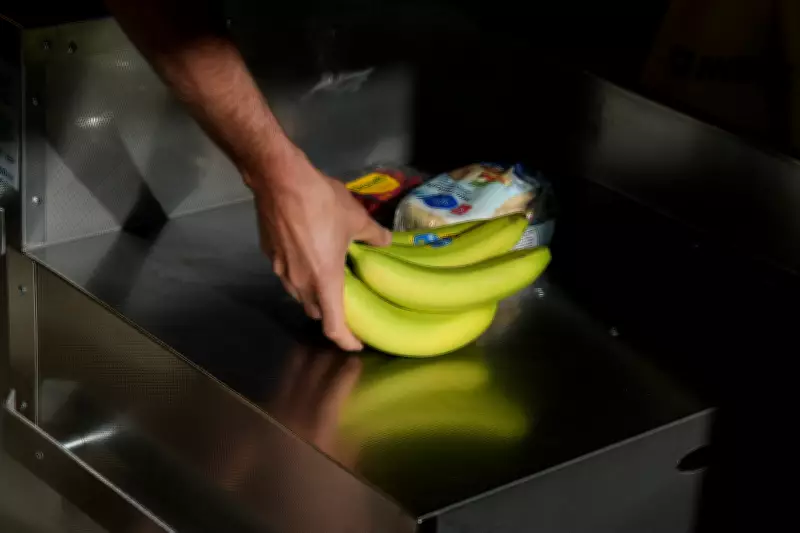
Inflation and rising food costs are pushing more Canadians to seek help, as evidenced by a recent food giveaway in Calgary that drew thousands of people. The event, organized by local community groups, saw long lines of residents hoping to receive free groceries and other essentials. Organizers reported that the demand was significantly higher than in previous years, reflecting the growing financial strain on households across the country.
Calgary Giveaway Highlights Growing Need
The giveaway, held at a local community center, distributed food packages to over 3,000 families. Many attendees said they were struggling to afford basic necessities despite working full-time jobs. One participant noted that their grocery bill had increased by nearly 30% over the past year, forcing them to make difficult choices between food and other expenses.
Broader Economic Pressures
This event is part of a larger trend across Canada, where food banks and community organizations are reporting record demand. According to recent data, food bank usage has risen by 20% nationwide since the start of 2025. Experts attribute this to persistent inflation, particularly in food prices, which have been driven up by supply chain disruptions, climate events, and global conflicts.

- Food prices in Canada have increased by 8.5% year-over-year as of March 2026.
- Dairy, meat, and fresh produce have seen the steepest increases.
- Low-income households are disproportionately affected, spending a larger share of their income on food.
Government and Community Response
In response to the crisis, some municipalities have launched emergency food programs, while advocacy groups are calling for policy changes such as increased social assistance rates and price controls on essential items. The federal government has announced a temporary GST break on groceries, but critics argue more comprehensive measures are needed.
As Canadians continue to grapple with the cost of living, events like the Calgary giveaway underscore the urgent need for systemic solutions to address food insecurity.