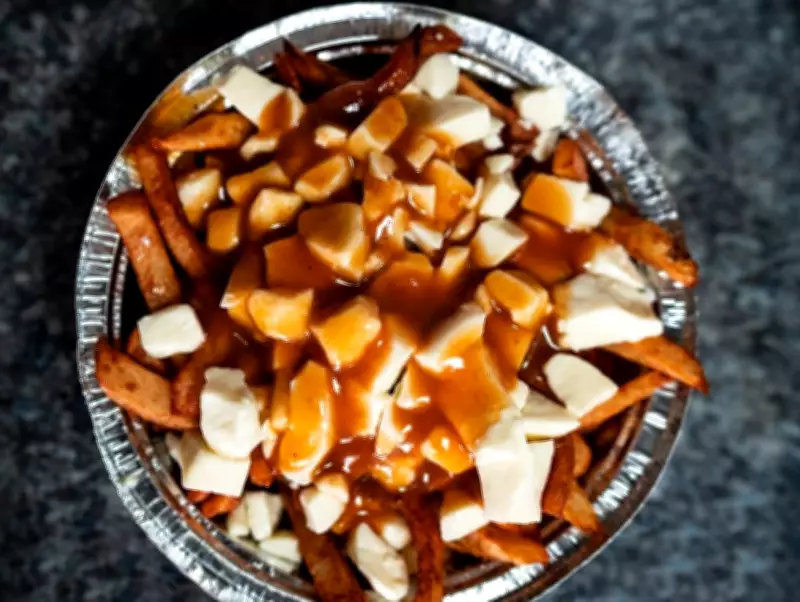
Quebec Moves to Protect Cheese Curds with Controlled Designation
Quebec is advancing plans to officially recognize fromage en grains du Québec—cheese curds—as a controlled designation, a move that could reshape the province's dairy market and ignite debates over interprovincial trade. If adopted, the regulations would mandate that the milk must originate in Quebec, the curds must be produced within the province, and producers must adhere to a specific production protocol. Cheese curds manufactured outside Quebec would be prohibited from using the protected name, creating a legal shield for regional authenticity.
Global Precedents and Quebec's Unique Framework
Controlled designations in food are not uncommon globally, with systems like Europe's Appellation d’origine contrôlée safeguarding products such as Champagne and Parmigiano Reggiano. These frameworks ensure that only items made in designated regions and according to strict methods can bear those labels, protecting both tradition and economic value. Quebec stands out in Canada as the only jurisdiction with a formal legal structure dedicated to such protections, overseen by the Conseil des appellations réservées et des termes valorisants (CARTV). This system has already been used to protect products like veau de Charlevoix and maïs sucré de Neuville, with cheese curds now next in line.
The Science and Culture Behind Quebec's Cheese Curds
While cheese curds are a dairy product with a history spanning thousands of years—predating even poutine, which originated in Warwick, Quebec, in 1957—Quebec's version is distinct due to freshness and handling. The iconic squeak of cheese curds results from a tight network of casein proteins formed during early cheddar-style cheesemaking, a phenomenon that fades within hours as salt, acidity, and refrigeration relax the protein matrix. Quebec's dairy industry capitalizes on this brief window by selling curds just hours after production, often without immediate refrigeration, to preserve elasticity and moisture. This makes them ideal for poutine, offering a firm texture that squeaks when bitten yet softens gently under hot gravy without fully melting.

Economic Implications and Trade Concerns
The push for a controlled designation extends beyond cultural preservation to economic protection. By requiring that raw materials come from Quebec, the designation would prevent processors from importing cheaper milk or dairy proteins from other regions, such as the United States, while still using the protected name. This safeguards local markets and supports Quebec's dairy industry. However, it also raises concerns about interprovincial trade barriers, a longstanding issue in Canada's agri-food sector. Adding provincial designations could complicate trade and marketing across provincial lines, contradicting calls for freer internal trade. Producers outside Quebec may view such designations as implying superior quality, though they simply protect a specific regional version without guaranteeing better products.
Future Prospects and Broader Impacts
Quebec is not stopping with cheese curds; maple syrup is widely expected to be next on the list for protected designation. As these measures unfold, they highlight the tension between cultural protection and market dynamics. While controlled designations can bolster regional economies and preserve culinary heritage, they also risk fragmenting national markets and reinforcing trade barriers. The debate over Quebec's cheese curd designation serves as a microcosm of broader challenges in balancing local identity with economic integration in Canada.