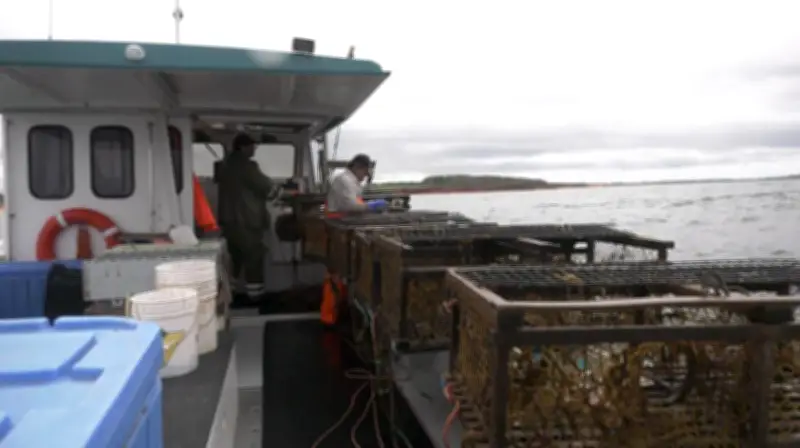
Timothy Wall is setting his gear farther from Malpeque Wharf, P.E.I. than usual, searching for lobster he can sell. This change reflects a broader trend among Prince Edward Island lobster fishers who are finding it increasingly difficult to maintain their livelihoods.
Shifting Lobster Populations
Lobster populations have been moving to deeper, cooler waters, forcing fishers to travel farther and spend more on fuel. This shift is attributed to warming ocean temperatures and changing marine ecosystems.
Rising Costs and Stagnant Prices
Meanwhile, the cost of bait, fuel, and gear has risen sharply, while lobster prices have not kept pace. Fishers report that their expenses have increased by up to 30% in recent years, but the price they receive per pound has remained flat or even declined.

Market Pressures
Global competition and fluctuating demand have also contributed to the squeeze. Processors and buyers are offering lower prices, citing market saturation and trade uncertainties. Some fishers have been forced to sell their catch at a loss.
Impact on Communities
The challenges are taking a toll on coastal communities that depend on the fishery. Many fishers are working longer hours and taking on debt to keep their operations afloat. Some have left the industry altogether.
“It’s getting harder every year,” said one fisher. “We’re putting in more effort for less return.”
Looking for Solutions
Industry groups are calling for government support, including subsidies for fuel and gear, as well as investments in research to understand lobster migration patterns. Some are also exploring direct-to-consumer sales to bypass low processor prices.
Despite the difficulties, many fishers remain committed to their way of life. “This is what we know,” said another fisher. “We’ll adapt, but it’s getting tougher.”