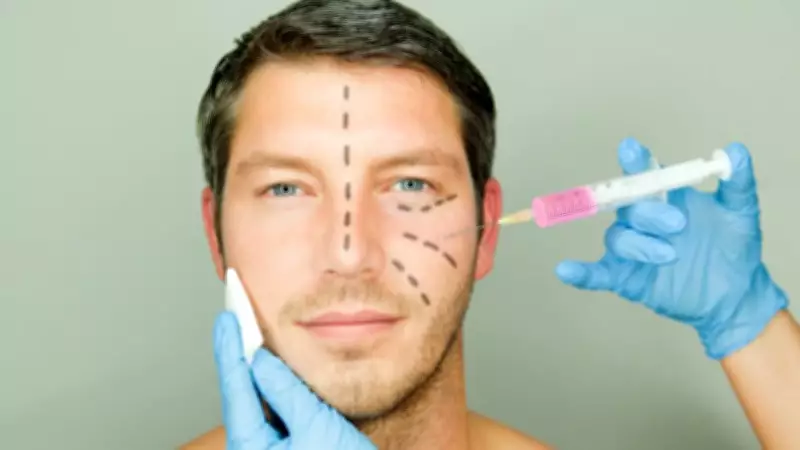
South Korea is experiencing a new wave of tourism driven by medical aesthetics, as visitors flock to the country for laser treatments and facial firming procedures. Dubbed 'K-glow,' this trend builds on the global popularity of K-pop and Korean beauty standards. The surge in medical tourism is reshaping the travel industry, with clinics offering specialized packages that combine cosmetic procedures with cultural experiences.
Rise of Medical Tourism
According to recent data, the number of international patients seeking aesthetic treatments in South Korea has increased significantly. Procedures such as laser skin resurfacing, ultrasound facelifts, and radiofrequency treatments are particularly popular among tourists from China, Japan, and Southeast Asia. The South Korean government has actively promoted medical tourism, streamlining visa processes and establishing quality standards for clinics.
Impact on Local Economy
The influx of medical tourists has boosted local economies, particularly in districts like Gangnam in Seoul, known for its high concentration of dermatology and plastic surgery clinics. Hotels, restaurants, and transportation services have also benefited. However, concerns have been raised about the ethical implications and potential risks of unregulated procedures.

Integration with Cultural Tourism
Many clinics now offer packages that include traditional Korean experiences, such as hanbok wearing, temple stays, and K-pop dance classes. This integration aims to provide a holistic experience, allowing visitors to achieve their desired aesthetic while immersing themselves in Korean culture.
Future Outlook
Industry experts predict that the medical tourism trend will continue to grow, driven by advancements in technology and increasing global demand for non-invasive cosmetic procedures. South Korea is positioning itself as a leading destination for medical aesthetics, leveraging its reputation for innovation and quality healthcare.