Maple Syrup Season in Southwestern Ontario Off to an 'Inconsistent' Start, Says Local Producer
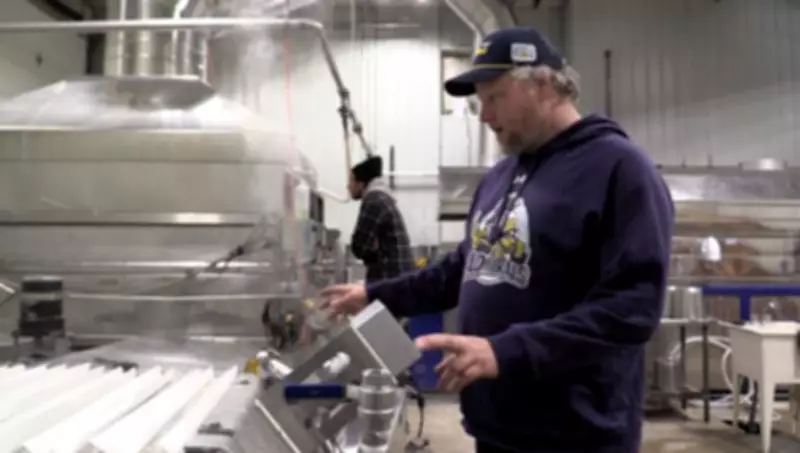
Kevin Snieder, co-owner of Robinson Maple Products, has reported that the maple syrup season in southwestern Ontario is beginning with notable inconsistency. Speaking from his family's production facility near Auburn on March 5, 2026, Snieder highlighted how unpredictable weather patterns are impacting sap flow, a critical factor for syrup production. This variability poses challenges for local producers who rely on stable conditions to meet demand during the peak season.
Weather Fluctuations Affect Sap Collection
The production process, which involves tapping maple trees and boiling sap into syrup, is highly sensitive to temperature changes. Snieder explained that recent weather shifts, including unseasonable warmth followed by cold snaps, have led to irregular sap runs. This inconsistency means that some days yield abundant sap, while others see minimal flow, complicating harvesting schedules and potentially reducing overall output. Producers must adapt quickly to these conditions to optimize their operations.
Implications for the Local Maple Syrup Industry
Southwestern Ontario is a key region for maple syrup production in Canada, contributing significantly to the national economy. An inconsistent start to the season could affect supply chains and market availability, potentially leading to price fluctuations. Snieder emphasized the importance of monitoring weather forecasts closely and implementing flexible strategies to mitigate these risks. He noted that while such variability is not uncommon in agriculture, it underscores the need for resilience in the face of climate-related challenges.

As the season progresses, producers like Snieder remain hopeful that conditions will stabilize, allowing for a more consistent sap flow. They are leveraging traditional knowledge alongside modern technology to navigate the uncertainties. This situation serves as a reminder of how environmental factors directly influence agricultural livelihoods and the broader food industry.