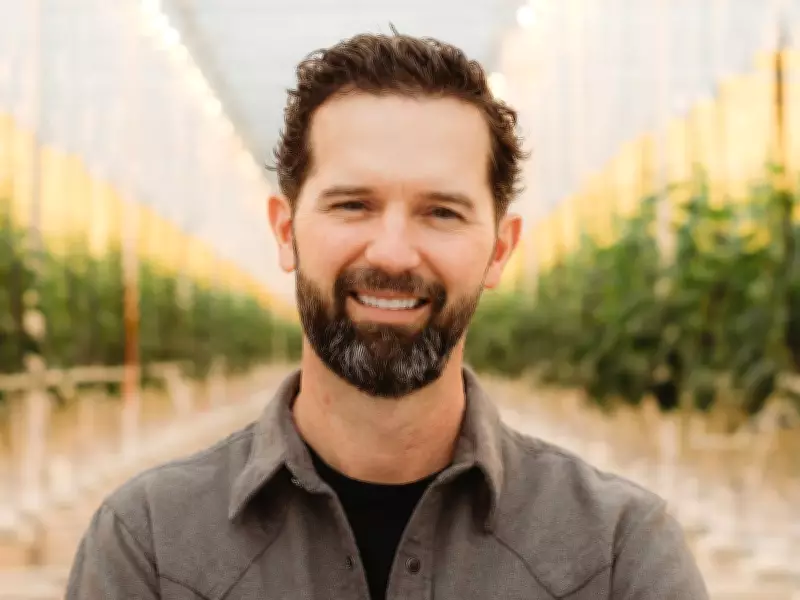
In an era where trade negotiations dominate headlines, one Alberta farmer is quietly revolutionizing the local food supply chain. Ryan Cramer, CEO of Big Marble Farms, has deliberately chosen to prioritize Canadian consumers over the lucrative U.S. market, a decision that underscores a growing trend among smaller-scale producers.
From Humble Beginnings to Provincial Leader
Big Marble Farms began in 2009 as a modest four-acre cucumber greenhouse in southern Alberta. Today, it spans over 55 acres and is one of the province's largest year-round vegetable producers. The family-owned operation grows vine-ripened cucumbers, tomatoes, and peppers, harvested daily and shipped to grocery chains across Alberta and Western Canada.
"A lot of people look at our business and think it's backed by big investors," Cramer says. "But it's just me and my dad. It's a family operation." This hands-on approach is increasingly rare in an industry where many competitors seek rapid expansion through corporate investment. Cramer admits he loses interest when things become too corporate. "I love the plants, the growing. Walking the greenhouse every single day keeps me engaged."

The Co-op Model
Big Marble operates within Red Hat Co-operative, a producer co-op of greenhouse growers in the Medicine Hat/Redcliff area. The co-op markets, grades, packs, and distributes vegetables across the prairies. Founded in 1966 with a handful of growers, it once peaked near 30 members but now counts only 10 to 12. Despite Big Marble being the largest player, the co-op still runs on its original one-vote-per-grower bylaws.
"We have a humble group of farmers interested in growing enough to support our local market," Cramer explains. That market has expanded from southern Alberta to the entire prairie region. "Beyond that, we just haven't grown to a size where we can reliably supply local demand plus the U.S. So we choose our local market. We look after our Canadian retail partners."
Nation-Builders in Our Backyards
While trade wars and tariff headlines capture attention, Cramer represents the quiet nation-builders fixing the immediate problem of better quality, affordable food for Canadian families. Sky-high energy prices drive up production and transportation costs, making local sourcing more critical than ever. By focusing on local shelves, Big Marble ensures freshness and reduces carbon footprint, all while supporting the local economy.
Cramer's story is a testament to the resilience and dedication of family farms. In a world chasing global markets, he finds success by staying close to home. "We just haven't grown to a size where we can reliably supply local demand plus the U.S.," he reiterates. "So we choose our local market."