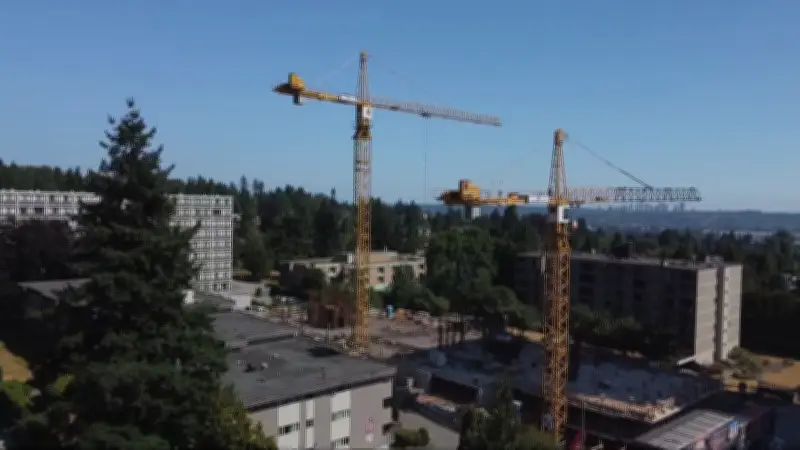
Starting in 2027, crane operators in British Columbia will be required to obtain skilled trades certification under new provincial regulations aimed at improving workplace safety. The announcement was made by the Ministry of Post-Secondary Education and Future Skills on July 6, 2026.
New Certification Requirements
Under the new rules, all crane operators in B.C. must complete a recognized training program and pass a provincial exam to earn their certification. The requirement applies to both mobile and tower crane operators. Currently, crane operators in the province are not required to hold formal certification, though some employers may request it.
The Ministry stated that the change is part of a broader effort to professionalize the skilled trades and reduce the risk of accidents. According to WorkSafeBC, crane-related incidents have resulted in an average of 15 serious injuries and 2 fatalities per year over the past decade.

Industry Response
The British Columbia Construction Association (BCCA) welcomed the move. "This certification will ensure that crane operators have the skills and knowledge needed to operate safely on job sites," said BCCA President Chris Atchison. "It's a positive step for the industry and for worker safety."
However, some operators have expressed concerns about the transition. "Many experienced operators have been working for decades without formal certification," said Mike Thompson, a crane operator from Vancouver. "We need to make sure there's a fair pathway for them to get certified without losing their jobs."
Implementation Timeline
The certification requirement will come into effect on January 1, 2027. Operators who are already working in the field will have until 2029 to obtain certification through a grandparenting process. New entrants to the trade must be certified before they can work independently.
The provincial government has allocated $2.5 million to support training programs and help operators transition to the new requirements. Training will be offered through public post-secondary institutions and approved private training providers.