Alberta has built much of its political message around fighting red tape, overregulation, and barriers to business. Premier Danielle Smith and Red Tape Reduction Minister Dale Nally have repeatedly argued that excessive government interference hurts investment, limits competition, and slows economic growth. More recently, discussions around interprovincial trade and the Deloitte competitiveness work have reinforced the idea that Canada's economy suffers when governments create unnecessary barriers.
On that point, Alberta is absolutely right. Which is why what I have experienced dealing with Alberta Gaming, Liquor and Cannabis (AGLC) over the last several months is difficult to understand.
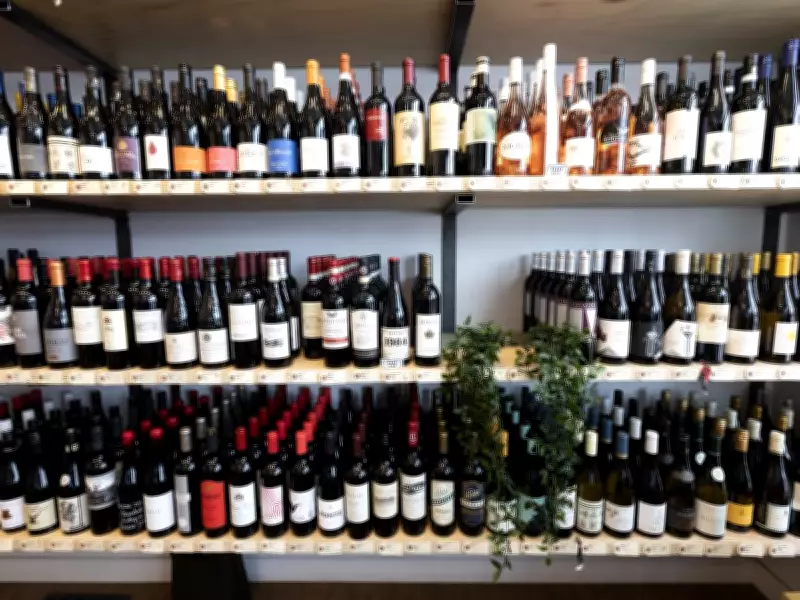
I own a small winery in British Columbia that produces roughly 5,000 cases annually. Like many Canadian wineries, breweries, distilleries, and small producers, we rely heavily on restaurants, retailers, trade tastings, and industry events to build our business.

That starts with samples. In most industries, if you want a restaurant or retailer to carry your product, you let them try it. Simple. But in Alberta, the process has become anything but simple.
Over the past several weeks, I was first told producers would no longer be paid directly and would instead need to register as agents. Then I was told I could not use sub-agents and would need to hire Alberta-based staff directly — something completely unrealistic for a small producer. Thankfully, after discussions with AGLC management, that issue was eventually resolved. But the larger issue remains: sampling.
Here is how the current system effectively works for a producer trying to introduce wine into Alberta restaurants and liquor stores: First, I must ship wine into the AGLC/Connect warehouse system. Then, I must convince a retailer — who has never tasted the wine — to purchase it. Then, I must buy the same wine back. Only then, can I pour it for free so restaurants and retailers can try it. On top of that, I pay shipping, receiving, handling, and distribution costs, along with markup on samples beyond Alberta's limited exemption allowance.
For upcoming events in Calgary, that means thousands of dollars in wine and logistics costs simply to pour free samples that generate no direct revenue. The explanation I was given was that samples are essentially a form of advertising. Fair enough. But if I place an ad in the Calgary Herald or the Edmonton Journal, I am not charged a government markup on the value of that advertisement before I can run it. Yet Alberta effectively does exactly that with wine samples. No other province operates this way.
In British Columbia, Ontario, and Saskatchewan, producers and agents can bring samples directly to trade tastings and industry events. Retailers and restaurants try the products, place orders if they like them, and governments collect tax revenue on actual sales.