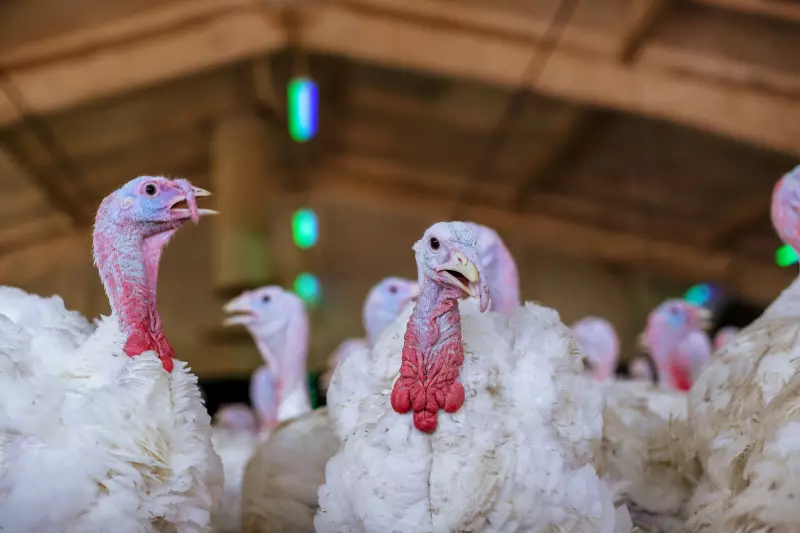
In a significant move to control a potential avian influenza outbreak, agricultural authorities in Ontario have humanely disposed of approximately 124,000 turkeys in Perth County. The action, confirmed on January 9, 2026, is part of an ongoing and serious investigation into the highly contagious bird flu.
Containment Measures in Response to Outbreak
The decision to cull the large flock was not taken lightly. It follows standard and strict disease control protocols enacted by the Canadian Food Inspection Agency (CFIA) and provincial partners. When a suspected or confirmed case of avian influenza is identified on a farm, the immediate depopulation of the birds is often the most effective way to prevent the virus from spreading to other farms, wildlife, and potentially the commercial poultry supply.
The term "humanely disposed of" refers to euthanasia methods approved by veterinary professionals to minimize animal suffering. This step is a critical, albeit difficult, component of managing high-pathogenicity avian influenza, which poses a severe threat to poultry health and farmer livelihoods.

Impact on Local Farmers and Industry
The loss of 124,000 birds represents a devastating financial and emotional blow to the affected farm operation in Perth County, a region known for its agricultural output. Beyond the immediate farm, the incident triggers heightened biosecurity measures across southwestern Ontario's poultry sector. Neighboring farms are placed under surveillance, and movement controls are typically implemented to contain the pathogen.
This outbreak underscores the persistent threat avian flu poses to Canada's poultry industry. Previous outbreaks in recent years have led to the culling of millions of birds nationwide, impacting egg and meat supply and contributing to market volatility. Farmers are reminded to enforce rigorous biosecurity, including limiting access to barns, disinfecting equipment, and monitoring bird health closely.
Ongoing Investigation and Public Health Assurance
The investigation by officials is ongoing. This includes tracing the potential source of the infection, which can sometimes be linked to migratory wild birds. While this strain of avian influenza is primarily a threat to birds, authorities consistently monitor for any rare zoonotic transmission to humans.
Public health officials stress that avian influenza does not pose a food safety risk when poultry products are properly handled and cooked. The food supply remains safe. The CFIA and the Ontario Ministry of Agriculture, Food and Rural Affairs (OMAFRA) are leading the response, offering support to the producer and working to prevent further spread.
This event in Perth County serves as a stark reminder of the fragility of modern agriculture in the face of animal diseases and the difficult decisions required to protect the wider industry and food system.