The race to replace the aging International Space Station (ISS) is intensifying as U.S. company Vast announces a mission to fly an astronaut to its planned Haven-1 station next year. If launched on schedule in early 2027, Haven-1 will become history's first commercial space station, beating out several competitors and marking a new era for humanity's presence in space.
A New Era in Crewed Spaceflight
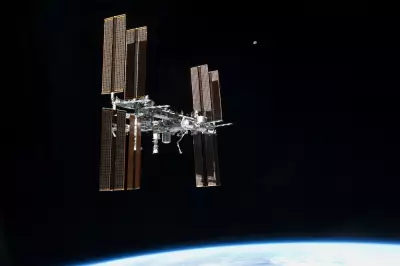
Vast CEO Max Haot told AFP that this mission represents an important milestone in a new era of crewed spaceflight that is less expensive and less reliant on Russia. The ISS, after 25 years of continuous habitation, is scheduled to be deorbited in 2030. The shift toward commercial stations also reflects the West's desire for independence from Russian space operations amid the war in Ukraine.
Haven-1: The First Commercial Station
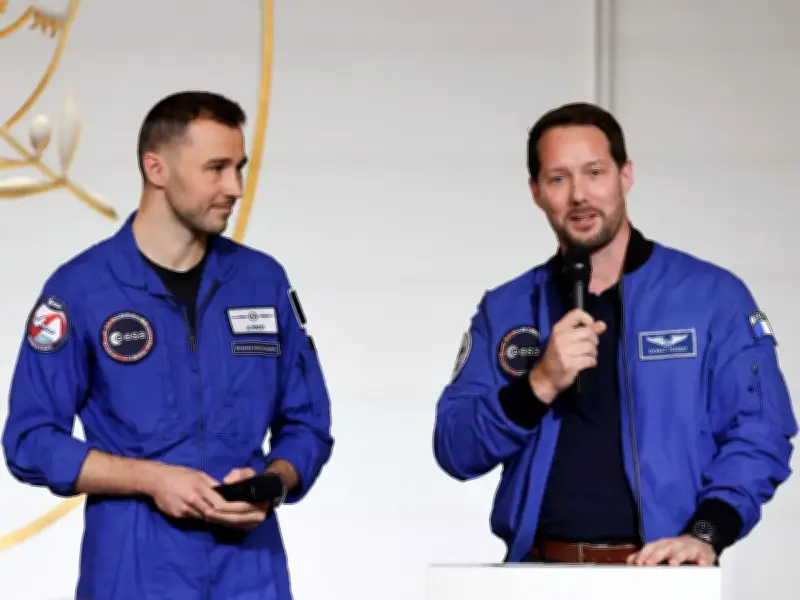
French astronaut Arnaud Prost will join the crew of Haven-1's inaugural mission. On board, Prost will conduct tests and scientific experiments similar to those performed on the ISS. The privately funded station will feature a single module, compared to the ISS's 16, and will host four two-week missions during its three-year orbital lifespan.

Vast has even bigger plans for its successor, Haven-2, which will eventually consist of nine modules deployed gradually over time. The company claims that these modules will cost five to ten times less than those for the ISS, which often exceeded one billion dollars. This cost reduction will allow for more crewed flights and more attractive prices for customers.
Expanding Commercial Presence
Vast aims to launch three modules per year for its future station, with at least one module launched by a European rocket. By 2030, the company hopes to have four modules in orbit, supporting six-month missions. Other U.S. aerospace companies, including Axiom Space and Blue Origin, are also planning commercial space stations.
Founded in 2021 by cryptocurrency billionaire Jed McCaleb, California-based Vast acknowledges it entered the race late but now claims to be two years ahead of its rivals, citing contracts with NASA.
European Headquarters and Partnerships
In addition to the Haven-1 mission, Vast announced a mission to send French astronaut Thomas Pesquet to the ISS next year. The company also plans to open its European headquarters in Paris. For both missions, Vast will use SpaceX's Falcon 9 rockets and Dragon 2 capsule to transport astronauts.
Haot emphasized SpaceX's unique approach, which prioritizes speed and rocket reusability, calling it a model for everyone and the future of space. He noted that without SpaceX's success with Dragon, Vast would not exist, and the United States and Europe would still depend on Russia for human spaceflight.
Despite the breakdown of many international cooperation agreements after Russia's invasion of Ukraine in 2022, the United States and other ISS partners have continued working with Russia on the space station.