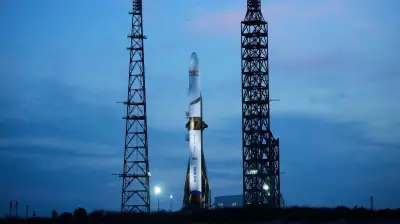
The Canadian federal government has unveiled a substantial investment of $200 million to establish a new space launch pad in Nova Scotia. This strategic move aims to enhance Canada's capabilities in the global space industry and strengthen its position in Arctic defense and sovereignty initiatives.
Boosting Canada's Space Ambitions
The funding, announced by Ottawa, will support the development of infrastructure necessary for satellite launches and other space missions from the Atlantic coast. This initiative is part of a broader effort to capitalize on growing opportunities in commercial space exploration and national security.
Economic and Strategic Implications
Experts highlight that this investment could generate significant economic benefits for Nova Scotia, including job creation in engineering, technology, and support services. Additionally, it aligns with Canada's recent collaborations with Nordic nations to protect Arctic sovereignty through enhanced defense capabilities, as space assets play a crucial role in monitoring northern regions.

Context and Background
This development comes amid increasing global competition in space technology, with countries and private companies expanding launch facilities. Canada's investment signals a commitment to maintaining a competitive edge, particularly in areas like satellite deployment for environmental monitoring and communications.
Industry Reactions
While specific details on the launch pad's location and timeline are pending further announcements, aerospace stakeholders have expressed optimism. The project is expected to attract partnerships with international space agencies and private firms, fostering innovation and technological advancement within Canada.
Future Prospects
As the space sector evolves, this launch pad could position Nova Scotia as a key hub for North American space activities. It may also support missions related to climate research, given the growing emphasis on using space technology to study environmental changes, such as rising sea levels and Arctic ice melt.
In summary, Ottawa's $200 million investment marks a pivotal step in advancing Canada's space infrastructure, with potential ripple effects across the economy and national security framework.