NASA has a wild plan to return astronauts to the moon, but experts are starting to worry. The agency's Artemis program aims to land humans on the lunar surface for the first time since 1972, using the SpaceX Starship as a key component. However, concerns are mounting over the program's cost, timeline, and technical feasibility.
Starship's Role and Challenges
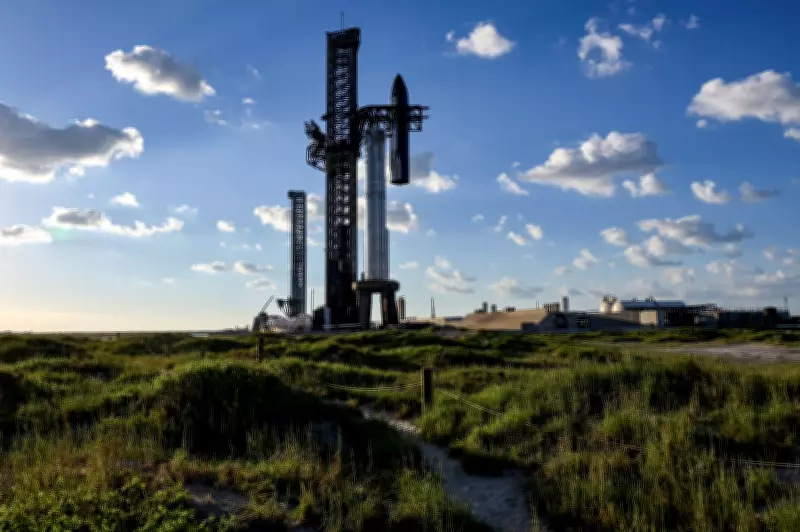
The SpaceX Starship spacecraft, hoisted along the launch tower in Starbase, Texas on Oct. 11, 2025, is central to NASA's plan. The vehicle is designed to carry astronauts from lunar orbit to the surface. Yet, the Starship has faced multiple delays and test failures, raising doubts about its readiness.
Expert Concerns
Industry experts point to several issues: the immense size and complexity of Starship, the need for orbital refueling, and the lack of a proven track record. Moreover, the program's budget has ballooned, with some estimates exceeding $100 billion. Critics argue that NASA should consider alternative approaches or partnerships.

Despite these worries, NASA officials remain optimistic. They emphasize the importance of returning to the moon for scientific discovery and as a stepping stone for Mars missions. The agency plans to conduct an uncrewed test flight of Starship around the moon next year, with a crewed landing targeted for 2027.