NASA Postpones Artemis II Lunar Mission Launch Following Technical Issues
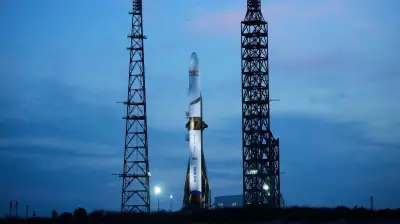
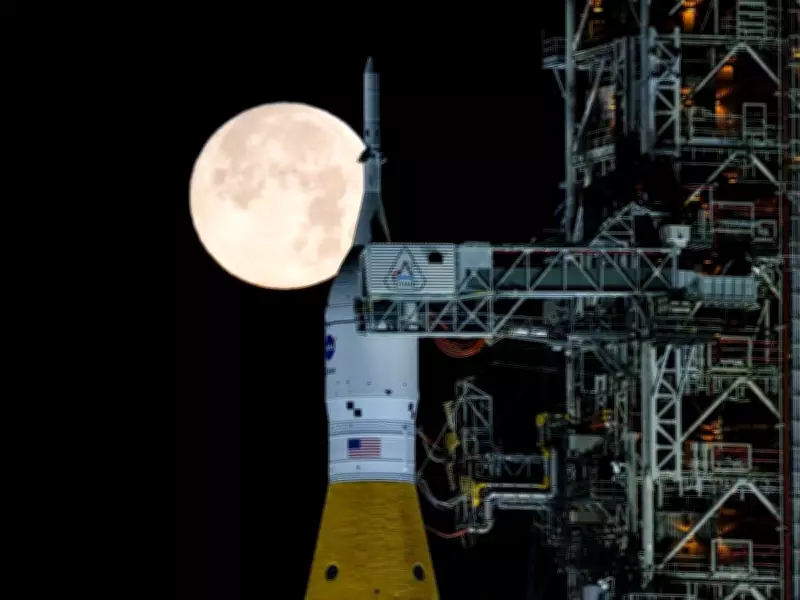
NASA has officially delayed the proposed launch date for its Artemis II lunar mission to at least March 2026 after discovering a hydrogen leak during a critical fueling test. The agency made this announcement following a comprehensive review of data from the test conducted at Kennedy Space Center in Florida.
Technical Challenges During Testing Phase
During this week's crucial testing procedures, engineers encountered multiple technical challenges that prompted the schedule adjustment. The most significant issue involved a spike in the liquid hydrogen leak, which raised concerns about system integrity. Additional problems included complications with a valve associated with the module's hatch pressurization system and intermittent dropouts in audio communication channels.
NASA confirmed these details in an official statement released on Tuesday, emphasizing that safety remains the agency's highest priority for crewed missions. The Artemis II mission represents a critical step in NASA's broader lunar exploration program, aiming to return astronauts to the vicinity of the moon for the first time since the Apollo 17 mission in 1972.

Crew Status and Mission Timeline Adjustments
The four-person international crew selected for this historic mission includes:
- NASA astronauts Reid Wiseman, Victor Glover, and Christina Koch
- Canadian Space Agency astronaut Jeremy Hansen
All crew members have been released from quarantine, which they entered in Houston on January 21, 2026. This quarantine period was part of standard pre-mission health protocols designed to minimize illness risks during spaceflight.
Additional Testing Requirements
The agency is implementing the launch delay to allow engineering teams to thoroughly review collected data and conduct a second comprehensive test, known as a wet dress rehearsal. This critical testing procedure involves:
- Full fueling of the Space Launch System rocket
- Complete countdown sequence simulation
- Systems verification under launch-like conditions
The primary objective of these tests is to ensure the complete readiness of both the Boeing Company's Space Launch System (SLS) rocket and Lockheed Martin Corporation's Orion spacecraft for their planned 10-day journey to fly by the moon and return safely to Earth.
Broader Mission Objectives and Future Planning
Beyond the immediate Artemis II mission, NASA has outlined additional testing goals that will inform future lunar exploration efforts. The agency plans to thoroughly evaluate Orion's life-support systems during this mission, gathering crucial data that will support the Artemis III mission scheduled for a crewed lunar landing by 2028.
This testing phase represents a critical component of NASA's methodical approach to returning humans to lunar exploration while ensuring maximum safety for all crew members. The agency continues to emphasize that such schedule adjustments are normal in complex spaceflight programs, particularly when dealing with new spacecraft systems and ambitious mission profiles.