Manitoba Resident Advocates for Legislative Action Against 'Obituary Piracy'
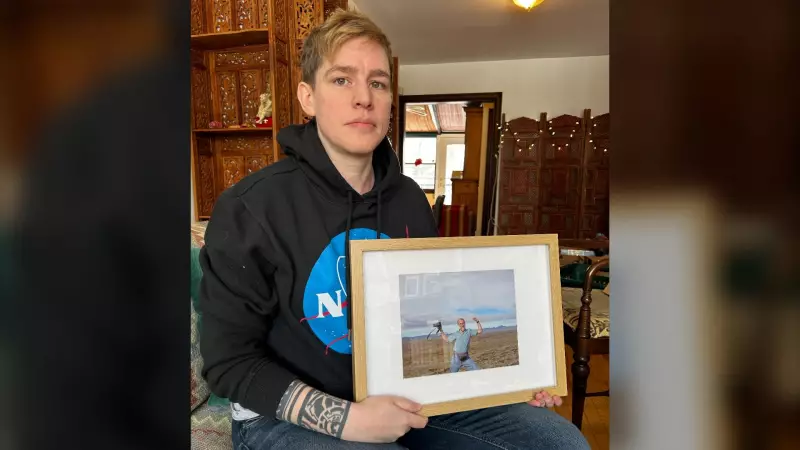
Kathryn Van Ameyde, a resident of Manitoba, is spearheading a heartfelt campaign calling for a ban on third-party websites that engage in what she describes as "obituary piracy." This plea comes in the wake of her father Ken's passing in October 2025, an event that was followed by the unauthorized republication of his death notice on various online platforms.
The Personal Impact of Digital Exploitation
Van Ameyde's experience highlights a growing concern among grieving families across Canada. She recounts how, shortly after her father's obituary was published through legitimate channels, it appeared on multiple third-party websites without permission. These sites often aggregate content from funeral homes and newspapers, repurposing it for their own traffic and advertising revenue.
"It feels like a violation during an already difficult time," Van Ameyde expressed. "These websites profit from our personal loss, and families have no control over how the information is used or displayed." Her advocacy underscores the emotional distress caused by such practices, which can exacerbate grief and invade privacy.

The Mechanics of Obituary Aggregation
Third-party obituary websites typically operate by using automated bots to scrape data from original sources. This process often involves:
- Collecting names, dates, and biographical details without consent.
- Displaying the information alongside intrusive advertisements.
- Lacking mechanisms for families to request removal or corrections.
Van Ameyde argues that this not only disrespects the deceased and their loved ones but also poses risks of misinformation and identity theft. She points out that obituaries can contain sensitive personal information, making them targets for malicious actors.
Calls for Regulatory Intervention
In response, Van Ameyde is urging provincial and federal lawmakers to consider legislation that would restrict or prohibit such activities. She suggests potential measures could include:
- Requiring explicit consent from families before obituaries are republished.
- Implementing penalties for websites that violate privacy norms.
- Enhancing digital protections for death notices under existing privacy laws.
"We need stronger safeguards to prevent this exploitation," she emphasized. "It's about respecting the dignity of the deceased and supporting families in their time of need." Her campaign has garnered attention from privacy advocates and legal experts, who note that Canada's current regulations may be insufficient to address this niche issue.
Broader Implications for Digital Ethics
This case raises important questions about online ethics and data ownership in the digital age. As obituaries transition from print to online formats, the ease of copying and redistributing content has created new challenges. Van Ameyde's story serves as a poignant reminder of the human cost behind data aggregation practices.
While some third-party sites claim to provide a service by archiving obituaries, critics argue that the lack of transparency and consent undermines any potential benefits. The debate touches on broader themes of digital consent, copyright, and the right to control one's personal narrative posthumously.
As Van Ameyde continues her advocacy, she hopes to spark a national conversation about protecting vulnerable individuals and families from digital exploitation. Her efforts highlight the need for a balanced approach that honors the deceased while upholding privacy standards in an increasingly interconnected world.