Regional Anxiety Mounts as Iran Unrest Continues
One month after widespread protests erupted across Iran, a palpable sense of apprehension has settled over the Middle East. Regional analysts and government officials are increasingly concerned about the possibility of a United States military strike against Iranian targets, creating a climate of uncertainty that extends far beyond Iran's borders.
Escalating Tensions and Diplomatic Strains
The ongoing civil unrest within Iran, which began in late December 2025, has created significant instability in a region already grappling with complex geopolitical challenges. International observers note that diplomatic communications between Washington and Tehran have become increasingly strained, with neither side showing signs of backing down from their respective positions.
Military analysts suggest that the United States has been repositioning assets in the region, though Pentagon officials have declined to comment on specific operational details. "The movement of naval vessels and increased aerial surveillance activities have not gone unnoticed by regional governments," explained one security consultant based in Dubai who requested anonymity due to the sensitivity of the information.

Economic and Security Implications
The potential for military escalation has already begun affecting regional economies and security planning:
- Oil prices have experienced volatility as markets react to the uncertainty
- Several Gulf states have reportedly increased their security alert levels
- Commercial shipping through the Strait of Hormuz has faced increased scrutiny
- Regional airlines have adjusted flight paths to avoid potential conflict zones
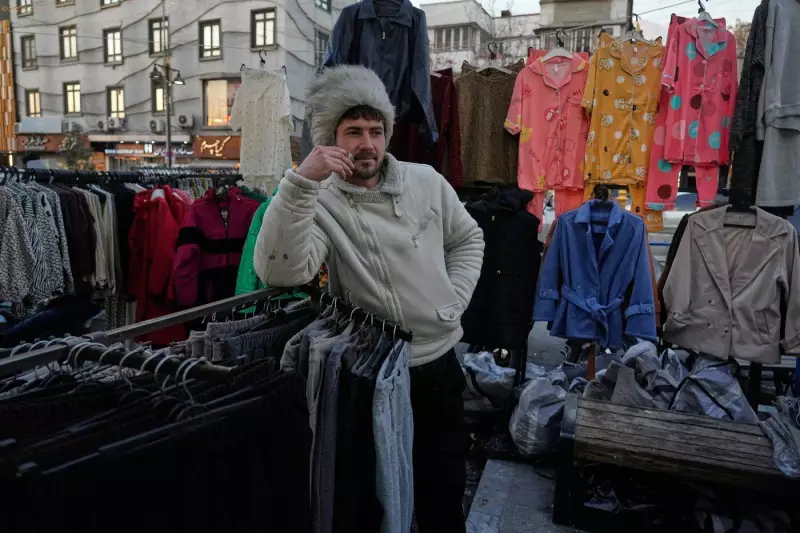
Meanwhile, within Iran itself, the protest movement shows little sign of abating. Images from Tehran's Tajrish Square depict daily life continuing amid the political turmoil, with vendors maintaining their stalls and citizens navigating both economic pressures and security concerns.
International Response and Regional Diplomacy
European and Asian governments have called for restraint from all parties involved, with several nations offering to mediate between the United States and Iran. However, these diplomatic overtures have thus far yielded limited results.
The situation remains fluid, with regional leaders scheduled to meet in the coming weeks to discuss coordinated responses. Military experts emphasize that while the rhetoric has intensified, both sides likely recognize the catastrophic consequences that a full-scale military confrontation would bring to the already volatile region.
As the second month of Iranian protests begins, the international community watches closely, hoping for de-escalation while preparing for various potential outcomes in this delicate geopolitical standoff.