NASA Postpones Historic Artemis II Crewed Moon Mission Due to Severe Cold at Florida Launch Site
In a significant setback for lunar exploration, NASA has announced the postponement of the highly anticipated Artemis II mission, marking a delay for the first crewed moonshot in over half a century. The decision was driven by extreme cold weather conditions at the primary launch site, Kennedy Space Center in Florida, which posed unacceptable risks to the mission's safety and technical readiness.
Launch Complex 39B Faces Frigid Challenges
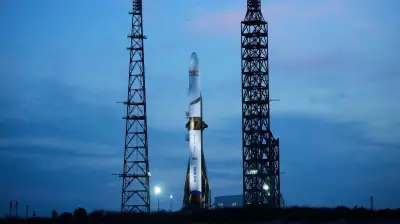
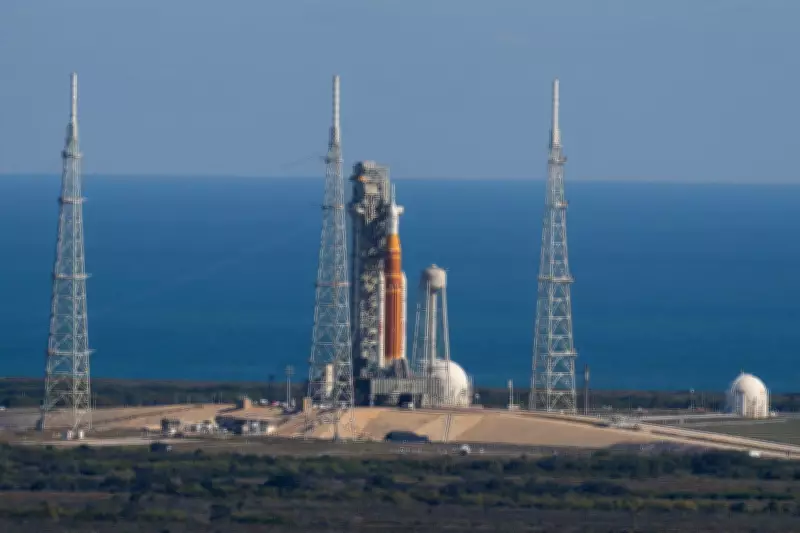
The Space Launch System (SLS) rocket, with the Orion spacecraft securely mounted atop, remains stationed at Launch Complex 39B. Photographic evidence from January 29, 2026, vividly captures the immense vehicle on its mobile launcher, poised for a journey that must now wait. Unseasonably low temperatures and biting wind chills, reportedly plunging as low as -38°C with the wind chill factor, have created hazardous operational environments. These conditions can affect critical systems, including fuel lines, seals, and electronic components, potentially compromising launch integrity.
Technical and Safety Imperatives Behind the Delay
NASA's decision underscores the meticulous safety protocols inherent in human spaceflight. The Artemis program, which aims to return astronauts to the lunar surface and establish a sustainable presence, cannot afford shortcuts. Key factors considered include:

- Vehicle Integrity: Prolonged exposure to severe cold can cause materials to become brittle and may lead to system malfunctions.
- Astronaut Safety: The crew's well-being is paramount, and launching in suboptimal weather increases risk during the critical ascent phase.
- Mission Success: A delay is preferable to a failed launch, which would result in greater financial and programmatic setbacks.
This postponement follows a series of rigorous tests and preparations, highlighting that even with advanced technology, nature remains a formidable variable in space exploration.
Context and Implications for Canada's Space Sector
While the launch site is in the United States, this development holds relevance for Canada's growing space industry. Canadian contributions to the Artemis program, including advanced robotics and scientific instruments, are integral to its success. Delays in the flagship mission may have ripple effects on:
- International Partnerships: Coordinated timelines with the Canadian Space Agency and other global partners.
- Research Schedules: Planned experiments and technology demonstrations reliant on the mission's timeline.
- Public Engagement: Inspirational milestones for STEM education and public interest in science within Canada.
The Artemis II mission, when it proceeds, will carry a diverse crew on a lunar flyby, testing systems for future landings. This delay, while disappointing, reaffirms NASA's commitment to a "safety-first" approach, a principle that resonates with Canada's own standards in technological and exploratory endeavors.
As teams monitor weather patterns and reassess launch windows, the global space community watches closely. This incident serves as a reminder of the complex interplay between human ambition and environmental realities in the quest to explore beyond our planet.