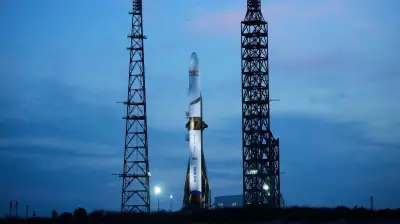
NASA Introduces New Test Flight to Artemis Moon Program Ahead of Crewed Lunar Landing
In a significant strategic shift, NASA has announced the addition of a new uncrewed test mission to its Artemis moon program. This move comes as the agency prepares for its ambitious goal of returning astronauts to the lunar surface. The decision to insert this extra test flight is designed to bolster safety protocols and thoroughly validate essential spacecraft systems before humans embark on the journey.
Enhancing Safety Through Additional Testing
The new mission will serve as a crucial intermediate step, allowing engineers to gather more data and address any potential issues in a controlled environment. By conducting this additional test, NASA aims to mitigate risks associated with the complex lunar landing operations. This proactive approach underscores the agency's commitment to ensuring the well-being of its astronauts and the success of the Artemis program.
Artemis represents NASA's flagship initiative to establish a sustainable human presence on the moon, with the ultimate objective of paving the way for future missions to Mars. The program has already seen milestones, including the Artemis I mission, which successfully tested the Space Launch System rocket and Orion spacecraft without a crew. The newly added test will build upon these achievements, focusing on refining landing technologies and life support systems.

Technical Details and Program Adjustments
While specific details of the new test mission are still being finalized, it is expected to involve key components of the lunar landing architecture. This may include testing the Human Landing System (HLS) and other hardware in a simulated lunar environment. The data collected will be invaluable for troubleshooting and optimizing performance before astronauts are on board.
- Increased Data Collection: The mission will provide extensive telemetry and performance metrics.
- Risk Reduction: Identifying and resolving technical challenges in an uncrewed setting.
- Schedule Implications: The addition may adjust the timeline for subsequent crewed missions, but NASA emphasizes that safety takes precedence over speed.
NASA officials have highlighted that this adjustment is a normal part of the iterative process in space exploration, where flexibility and responsiveness to new information are paramount. The agency continues to collaborate with international and commercial partners to advance the Artemis program's objectives.
Broader Context and Future Outlook
The announcement reflects NASA's adaptive management style in the face of the immense technical challenges of deep space exploration. As the agency moves forward, this new test mission will play a pivotal role in building confidence in the systems that will carry astronauts back to the moon for the first time in over half a century.
With the Artemis program, NASA is not only aiming for lunar exploration but also fostering innovation and inspiring a new generation of scientists and engineers. The addition of this test flight is a testament to the rigorous standards upheld in pursuit of these grand ambitions.