The Sun has unleashed its most significant solar radiation storm in more than two decades, according to space weather forecasters. The event, which began on January 19, 2026, represents a major spike in space weather activity with potential consequences for satellite operations, radio communications, and spectacular auroral displays.
Details of the Major Solar Event
Forecasters monitoring solar activity confirmed the release of the intense storm, marking it as the largest event of its kind since at least the early 2000s. Solar radiation storms consist of a surge of high-energy protons released from the Sun at incredible speeds, often following a significant solar flare or coronal mass ejection.
The timing of the storm's onset was recorded at 4:44 PM EST on January 19, 2026. This type of event is measured on a scale that assesses the flux of energetic particles, and early indications suggest this storm reached the highest levels observed in recent memory.

Potential Impacts and Auroral Displays
Such powerful solar activity carries several potential impacts. High-frequency radio communications, particularly in polar regions, can experience blackouts or degradation. Satellite operators are on alert, as the increased radiation can pose a risk to electronics onboard spacecraft and could temporarily disrupt some satellite-based services.
For the general public, the most visible and positive effect is the potential for enhanced auroral displays. Aurora chasers have indicated that this storm could make the northern lights, or aurora borealis, visible in major cities at lower latitudes than usual. This phenomenon occurs when charged particles from the Sun interact with Earth's magnetic field and atmosphere, creating dazzling light shows.
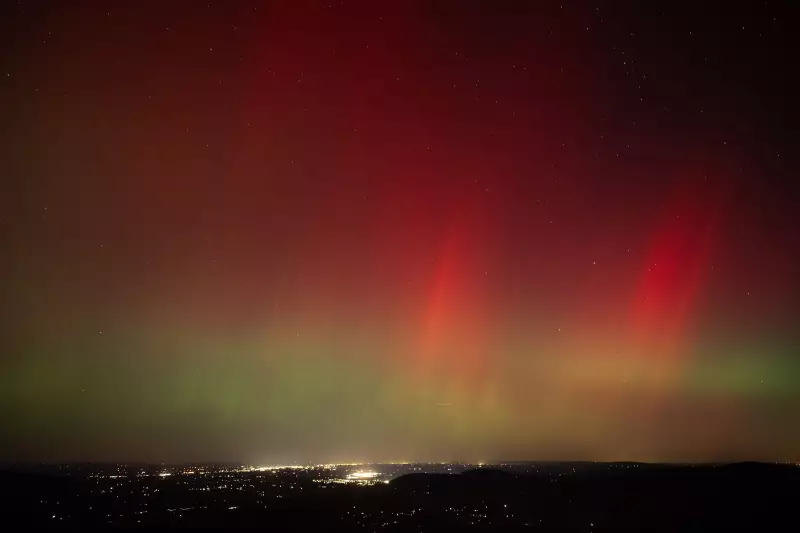
The event draws comparisons to previous solar storms that have produced memorable auroras, such as those seen in October 2024, when the northern lights were observed as far south as Virginia in the United States, as captured in a file image from Shenandoah National Park.
Monitoring and Preparedness
Space weather forecasting centers continue to monitor the Sun's activity closely. The current solar cycle is approaching its predicted peak, which increases the likelihood of such significant eruptions. Scientists use a fleet of satellites to observe the Sun and provide warnings to industries and governments that could be affected.
While this storm poses no direct physical danger to people on Earth's surface, its technological impacts are taken seriously. Airlines may reroute flights over polar regions to avoid increased radiation exposure for passengers and crew. Power grid operators also monitor for induced currents that can, in extreme cases, affect electrical infrastructure.
The event underscores the growing importance of space weather forecasting in our technologically dependent world. As society relies more on satellites for communication, navigation, and observation, understanding and predicting the Sun's behaviour becomes increasingly critical for economic and operational security.