As the Orion spacecraft journeys toward the Moon with Canadian astronaut Jeremy Hansen aboard, the Artemis II mission represents a monumental leap for human space exploration. A critical yet often overlooked aspect of this historic flight is the specialized language used by astronauts and mission control. Phrases like "Roger, roll pitch" are not just technical jargon; they are the precise, life-saving vocabulary of spaceflight.
The Essential Vocabulary of Space Exploration
During the Artemis II mission, every communication between the crew and ground control follows a strict protocol designed for clarity and safety in high-stakes environments. These callouts, which might sound cryptic to the public, are meticulously crafted to convey complex information instantly and without ambiguity.
Decoding Common Artemis II Callouts
Let's break down some key terms heard during the mission:

- "Roger": This is a standard acknowledgment, confirming that a message has been received and understood. It originates from early radio communication procedures.
- "Roll pitch": This refers to the spacecraft's orientation. "Roll" is rotation around the front-to-back axis, while "pitch" is rotation around the side-to-side axis. Together, they describe precise maneuvers.
- "Nominal": A favorite in space jargon, this means everything is operating within expected and acceptable parameters—essentially, "all systems are go."
- "Copy": Similar to "Roger," this indicates that information has been received, though it doesn't always imply understanding or compliance.
Why Precision in Language Matters
In the vacuum of space, where milliseconds can separate success from catastrophe, there is no room for misinterpretation. The callouts used in Artemis II are the product of decades of experience, evolving from the Mercury, Gemini, and Apollo programs. They eliminate verbosity, reduce radio traffic, and ensure that critical instructions are followed exactly.
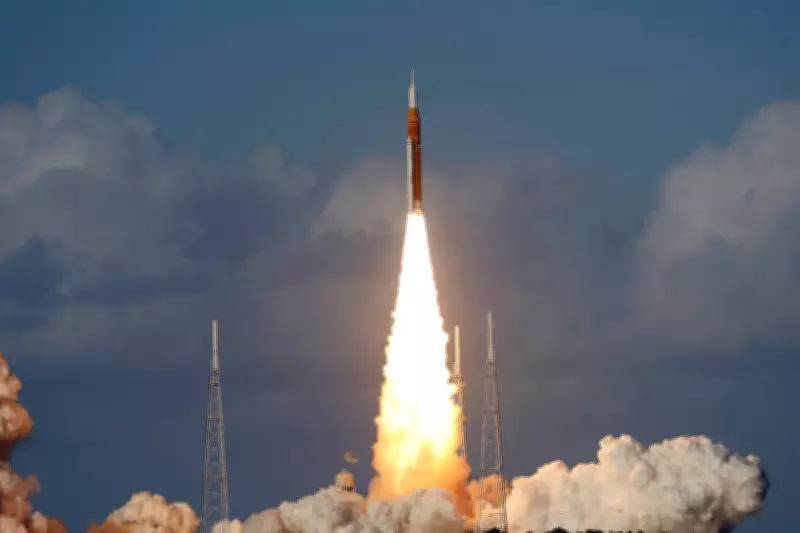
For example, during the launch phase, concise commands like "Throttle up" or "Stage separation" trigger specific, rehearsed actions by the crew and automated systems. This linguistic efficiency is vital when dealing with the immense speeds and forces involved in leaving Earth's gravity.
The Human Element in Technical Communication
Beyond the technical definitions, these callouts also serve a psychological purpose. They create a rhythm and routine that help astronauts maintain focus and calm during intensely stressful situations. The familiar phrases provide a sense of normalcy and control amidst the extraordinary environment of space travel.
As Jeremy Hansen and his crewmates circle the Moon, their communications will continue to rely on this specialized lexicon. Each "Roger" and "Nominal" not only conveys data but also reinforces the teamwork and trust between the astronauts and the thousands of support personnel on Earth.
The language of Artemis II is more than just code; it is the verbal architecture of humanity's return to the Moon. Understanding these callouts offers a deeper appreciation for the meticulous planning and coordination that make such audacious missions possible.