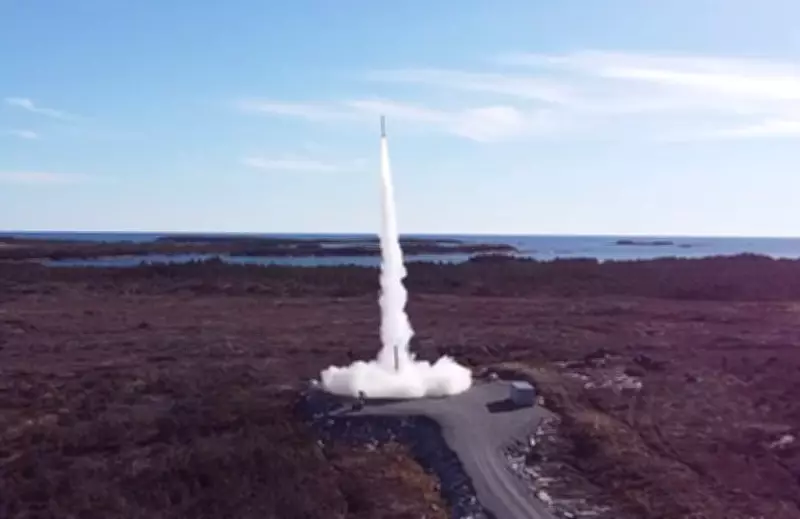
Canada Takes Major Step Toward Domestic Rocket Launch Capability
In a landmark development for the nation's aerospace sector, Canada is progressing toward establishing its own homegrown rocket launch infrastructure. Maritime Launch Services is currently building a dedicated spaceport near the coastal community of Canso, Nova Scotia. This facility is designed to include five specialized launch pads, positioning Canada to independently conduct space missions without depending on international partners.
Strategic Importance of the Nova Scotia Spaceport
The initiative is described by industry experts as incredibly important for bolstering national sovereignty and technological advancement. By developing domestic launch capabilities, Canada aims to enhance its competitiveness in the global space economy, which is rapidly expanding with increased satellite deployments and commercial space ventures. The Canso location was selected for its advantageous geographical features, including minimal air and sea traffic, which supports safe and efficient launch operations.
This project aligns with broader governmental efforts to invest in science and technology infrastructure, fostering innovation and creating high-skilled jobs in the region. The spaceport is expected to facilitate a range of missions, from scientific research and Earth observation to commercial satellite launches, thereby reducing logistical complexities and costs associated with using foreign launch sites.

Broader Implications for Canada's Space Industry
The move toward homegrown rocket launches represents a pivotal shift in Canada's space strategy, historically reliant on collaborations with agencies like NASA and ESA. With the rise of private space companies globally, this development could attract international clients and partnerships, further stimulating economic growth. Additionally, it supports environmental monitoring and climate change research through enhanced access to space-based data.
As construction advances, stakeholders emphasize the need for stringent safety and environmental regulations to ensure sustainable operations. The success of this venture could inspire similar projects across the country, solidifying Canada's role as a key player in the next era of space exploration and commercialization.