NASA Announces Revised Launch Date for Artemis II Mission Following Cold Weather Setback
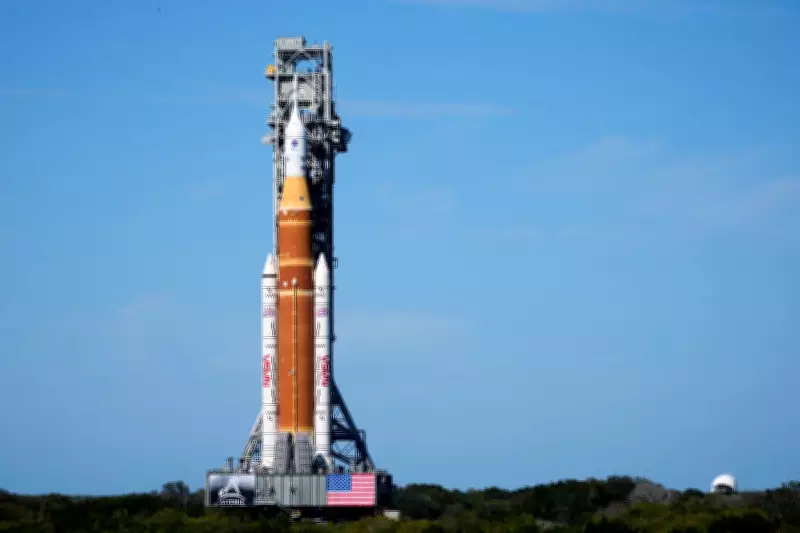
NASA has officially established a new target launch date for its highly anticipated Artemis II mission, with the earliest possible liftoff now scheduled for February 8, 2026. This announcement comes after the space agency was forced to delay the mission due to unseasonably cold weather conditions that impacted operations at the Kennedy Space Center in Florida.
Weather-Related Delay and Revised Timeline
The decision to postpone the launch was made after careful consideration of the extreme cold temperatures that swept through the Cape Canaveral area. NASA officials determined that the frigid conditions posed potential risks to both ground equipment and the intricate systems of the Space Launch System rocket and Orion spacecraft. The agency has now completed a thorough assessment and has set the new launch window beginning on February 8, marking a significant milestone in the return of astronauts to lunar exploration.
This mission represents the first crewed flight of NASA's Artemis program and will carry astronauts around the Moon, testing critical systems for future lunar landings. The four-person crew will embark on a journey that will take them farther from Earth than any human has traveled since the Apollo era, paving the way for sustained lunar exploration and eventual missions to Mars.

Preparations and Significance of the Mission
In preparation for the revised launch date, NASA has been conducting extensive testing and simulations to ensure all systems are ready for the historic flight. The Artemis II mission serves as a crucial test of the Orion spacecraft's life support systems, navigation capabilities, and communication equipment in deep space conditions. Success with this mission will validate the technologies needed for Artemis III, which aims to land the first woman and first person of color on the lunar surface.
The delay, while disappointing to space enthusiasts worldwide, demonstrates NASA's commitment to safety and meticulous preparation. Agency officials have emphasized that such adjustments are normal in complex space missions, particularly when dealing with unpredictable weather patterns that can affect launch operations. The new February 8 date provides additional time for final checks and ensures optimal conditions for what promises to be a landmark achievement in human space exploration.