NASA's Musical Wake-Up Calls for Artemis II Astronauts
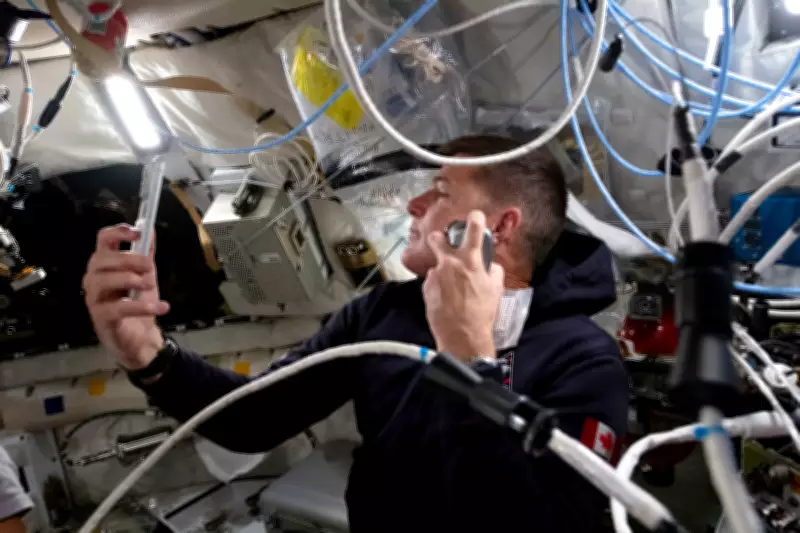
In a unique blend of science and culture, NASA has been waking up the Artemis II astronauts with music during their groundbreaking mission. This tradition, which dates back to earlier spaceflights, aims to uplift crew morale and create a sense of normalcy in the extraordinary environment of space. The playlist, carefully curated by mission control, includes songs like "Good Morning" and "Sleepyhead," offering a cheerful start to each day aboard the Orion spacecraft.
The Significance of Wake-Up Music in Space Missions
Using music to rouse astronauts is not just a novelty; it serves important psychological and operational purposes. In the isolated and high-stress conditions of space travel, familiar tunes can help reduce anxiety, foster team cohesion, and maintain a connection to Earth. For the Artemis II crew, which includes astronauts from NASA and international partners, these daily musical interludes provide a moment of respite amidst their rigorous schedule of experiments, navigation checks, and lunar observations.
The selection process for wake-up songs often involves input from the astronauts themselves, their families, or mission specialists, ensuring the tracks resonate personally with the crew. This practice highlights NASA's emphasis on human factors in long-duration missions, recognizing that mental well-being is as crucial as technical proficiency for mission success.

Artemis II Mission Context and Daily Life Aboard Orion
The Artemis II mission, a key step in NASA's plan to return humans to the Moon, involves a lunar flyby before returning to Earth. Amidst this historic journey, daily life aboard the Orion capsule presents unique challenges, from managing a broken toilet to using T-shirts on windows for privacy and collecting saliva for health monitoring. The wake-up music adds a touch of Earthly comfort to these routines, helping astronauts cope with the "weirdness" of space habitation.
As the crew ventures farther into space than ever before, their experiences—including emotional moments like naming a crater after a lost loved one—underscore the human element of exploration. The musical wake-ups complement these aspects, reinforcing the mission's blend of scientific rigor and emotional depth.
Broader Implications for Future Space Travel
This use of music on Artemis II sets a precedent for future missions, including planned lunar landings and eventual Mars expeditions. As space agencies like NASA focus on longer journeys, incorporating cultural elements like playlists could become standard practice to support astronaut mental health. It also engages the public, making space exploration more relatable through shared musical experiences.
In summary, NASA's wake-up music for Artemis II astronauts is more than a morning routine; it's a strategic tool for enhancing mission performance and well-being. As the crew continues its journey, these songs will remain a small but significant part of humanity's ongoing quest to explore the cosmos.