Survey Reveals Social Media as Essex's Top Communication Tool, Yet Improvement Needed
A recent survey conducted in Essex has confirmed that social media platforms continue to be the most powerful and widely used communication tool in the region. The findings underscore the critical role that digital networks play in connecting communities, disseminating information, and fostering public engagement. However, the study also points to significant room for enhancement in how these tools are utilized to maximize their potential impact.
Dominance of Social Media in Essex Communications
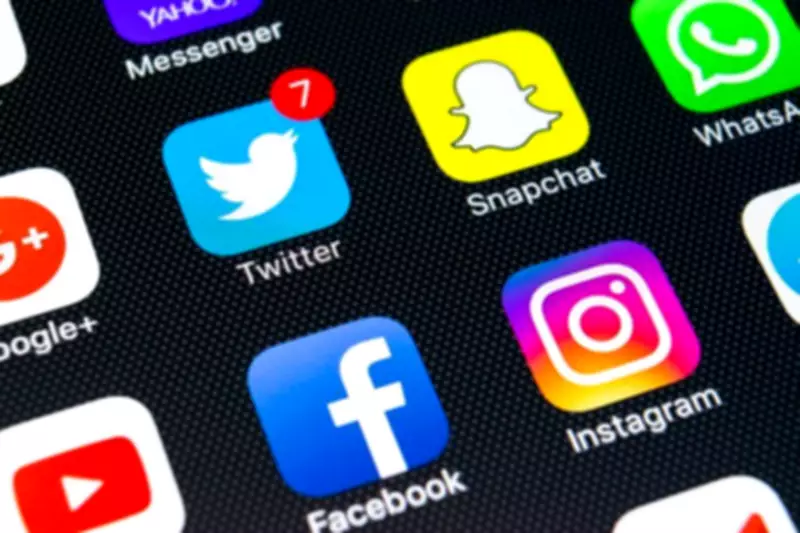
The survey, which gathered responses from a diverse cross-section of Essex residents, revealed that social media remains the primary channel for communication, outpacing traditional methods such as print media, radio, and television. Platforms like Facebook, Instagram, Twitter, and Snapchat are integral to daily interactions, with a majority of participants reporting they rely on these apps for news, community updates, and social connections. This dominance highlights the shift towards digital-first communication strategies in modern society.
Key statistics from the survey indicate that over 80% of respondents use social media regularly for information purposes, with many citing its immediacy and accessibility as major advantages. The data suggests that social media has become embedded in the fabric of Essex's communication landscape, serving as a vital link between individuals, organizations, and local authorities.

Areas Identified for Improvement
Despite its strengths, the survey identified several areas where social media communication in Essex could be improved. Participants expressed concerns about issues such as misinformation, lack of engagement from official sources, and the need for more targeted content. Many noted that while social media is effective for broad outreach, it often falls short in fostering meaningful dialogue or addressing specific community needs.
The study recommends strategies to enhance social media use, including:
- Increasing transparency and accuracy in information shared online.
- Boosting interactive features to encourage community participation.
- Tailoring content to diverse demographics within Essex.
- Implementing better monitoring tools to combat fake news and spam.
These improvements aim to transform social media from a mere broadcasting tool into a more dynamic and responsive communication ecosystem.
Implications for Essex's Future Communication Strategies
The survey's findings have important implications for how Essex approaches communication in the coming years. As social media continues to evolve, local leaders and organizations must adapt to leverage its full potential while addressing its shortcomings. Investing in digital literacy programs and training for communicators could help bridge the gap between current practices and ideal outcomes.
Moreover, the study suggests that integrating social media with other communication channels, such as community forums or local events, could create a more holistic approach. By doing so, Essex can ensure that its communication efforts are not only widespread but also impactful and inclusive.
In conclusion, while social media remains Essex's strongest communications tool, the survey serves as a reminder that continuous improvement is essential. Embracing innovation and addressing user feedback will be key to maintaining and enhancing its effectiveness in the future.