University of Waterloo Engineers Pioneer Robotic Artistry with Music-to-Light Technology
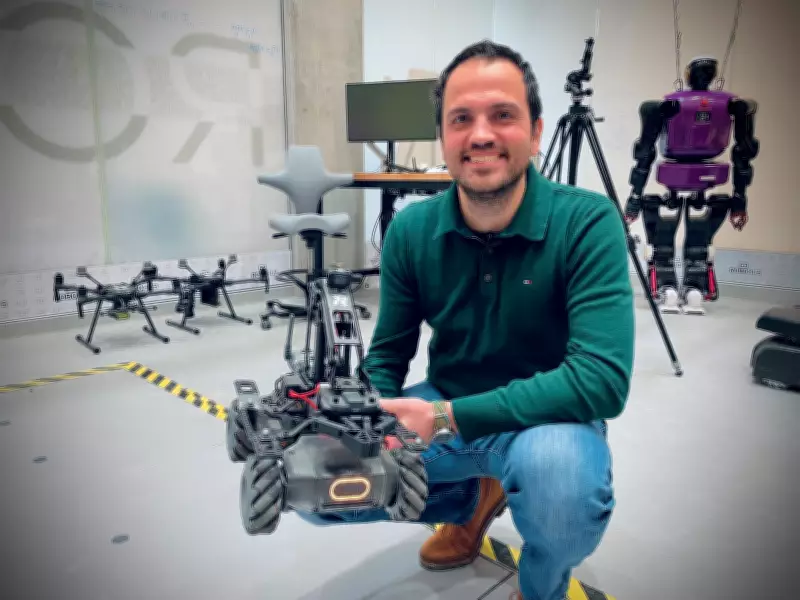
In a groundbreaking fusion of technology and creativity, researchers at the University of Waterloo have unveiled a novel system where robots interpret musical compositions and translate them into captivating visual displays of light. This innovative project, led by Gennaro Notomista, an assistant professor in the electrical and computer engineering department, represents a significant leap in the intersection of robotics and artistic expression.
How the Robotic Light Paintings Work
The system involves specialized robots equipped with advanced sensors and programming that analyze audio signals from music. These robots then generate corresponding light patterns, effectively painting with illumination in real-time. The process allows for dynamic, fluid visualizations that mirror the rhythm, tempo, and emotional tone of the music, creating an immersive sensory experience.
Implications for Engineering and the Arts
This development showcases the potential of robotics beyond traditional industrial applications, venturing into the realm of creative arts. It highlights how engineering principles can be applied to enhance artistic endeavors, offering new tools for musicians, visual artists, and performers. The project also serves as an educational tool, inspiring students in STEM fields to explore interdisciplinary approaches.

By transforming abstract musical elements into tangible light art, the University of Waterloo team is pushing the boundaries of what robots can achieve, fostering innovation that bridges technical precision with aesthetic beauty.