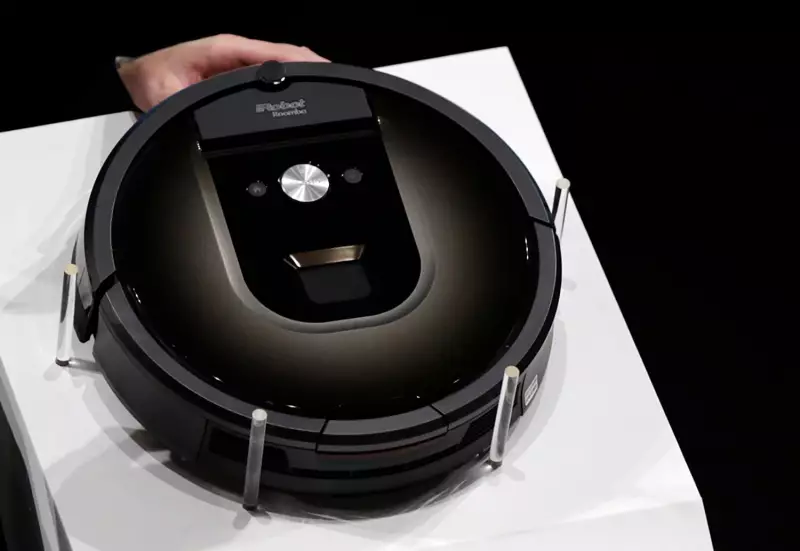
The company that brought robotic vacuum cleaners into millions of homes worldwide has hit a major financial wall. iRobot Corporation, the creator of the iconic Roomba, has officially filed for Chapter 11 bankruptcy protection, as reported on December 15, 2025.
A Pioneering Brand Seeks a Lifeline
This legal move marks a dramatic turn for a firm once seen as a leader in consumer robotics. The filing, made in a U.S. bankruptcy court, is a strategic step to allow iRobot to restructure its significant debts while it actively pursues a sale of its core manufacturing operations. The goal is to find a buyer who can take over the business and provide the capital needed for a future path forward.
The news follows a period of intense challenges for the Bedford, Massachusetts-based company. Increased competition from other tech giants and lower-cost manufacturers has eroded iRobot's market share in the smart home cleaning sector it helped create. Despite the Roomba's household name status, financial pressures have mounted, leading to this decisive action.

What Bankruptcy Means for iRobot's Future
Chapter 11 bankruptcy is designed to give a company breathing room. It allows iRobot to continue its day-to-day operations, meaning Roomba vacuums should still be available for purchase and supported for existing customers. The primary objective under court supervision is to stabilize finances and execute a plan to sell its manufacturing division to a new owner.
This process is intended to maximize value for creditors and, if successful, could result in a revitalized company under new ownership. The filing indicates that iRobot's leadership believes a sale is the best way to preserve the brand and its technology for the long term, rather than facing a piecemeal liquidation of assets.
The Broader Impact on Consumer Robotics
iRobot's struggles signal a shifting landscape in the consumer tech world. The home robotics market has become fiercely competitive, with many companies offering similar automated cleaning solutions. This bankruptcy filing raises questions about the sustainability of standalone robotics firms against the might of larger, diversified technology conglomerates.
For Canadian consumers and investors watching the tech sector, this is a significant development. It underscores the volatility and rapid pace of change in the industry, even for established and innovative brands. The outcome of iRobot's search for a buyer will be closely watched as a bellwether for other niche tech manufacturers.
The next steps involve court proceedings and a formal marketing process to attract potential acquirers for iRobot's manufacturing business. The company's fate now hinges on finding a partner willing to invest in the future of the Roomba.