In a significant step towards the future of manufacturing, the Hyundai Motor Group has unveiled plans to integrate advanced humanoid robots into its production lines. The automotive giant announced it will begin deploying these robots at a factory in the United States starting in 2028.
A Major Announcement at CES 2026
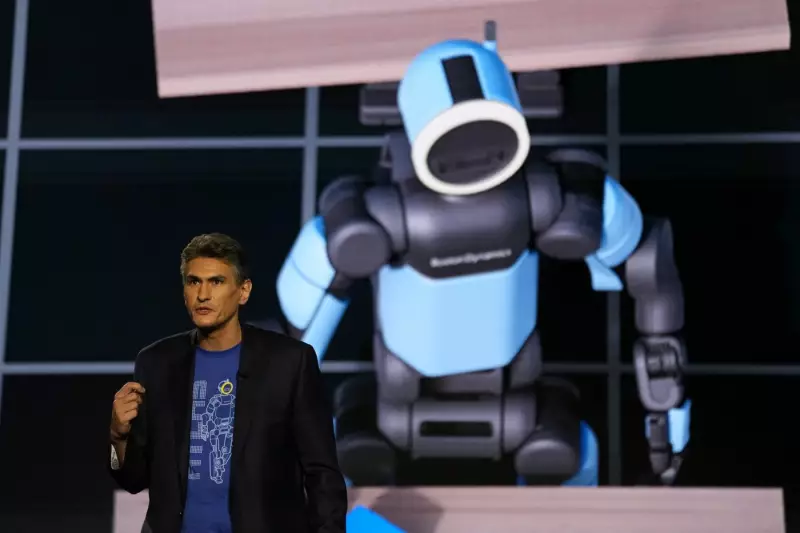
The groundbreaking news was shared during a news conference ahead of the Consumer Electronics Show (CES) in Las Vegas on Monday, January 5, 2026. The announcement was made by Zachary Jackowski, the Vice President and General Manager of Atlas at Boston Dynamics, a robotics company owned by Hyundai.
This strategic move highlights Hyundai's commitment to pushing the boundaries of automation and smart factory technology. By leveraging Boston Dynamics' expertise in advanced mobility robots, the group aims to revolutionize how vehicles are built.

The Technology Behind the Plan
While specific technical details of the deployment were not fully disclosed, the plan centers around utilizing humanoid robots, likely based on Boston Dynamics' renowned Atlas platform. These robots are designed to perform complex, human-like tasks in unstructured environments.
The deployment in a U.S. facility marks a key test case for integrating this level of advanced robotics into large-scale, precision manufacturing. It represents a shift from single-task robotic arms to versatile, mobile machines that can navigate factory floors and handle a wider variety of assembly and logistics duties.
Implications for the Future of Manufacturing
This initiative by Hyundai is more than an incremental upgrade; it's a vision for the next generation of industrial work. The introduction of humanoid robots could address challenges such as labor shortages, workplace safety for hazardous tasks, and the need for flexible production systems.
The 2028 timeline provides a clear roadmap for development, testing, and integration. It suggests that the technology is moving rapidly from the research lab to real-world, economically viable applications. This move is likely to accelerate similar investments and innovations across the global automotive and manufacturing sectors.
As Hyundai and Boston Dynamics move forward with this plan, the industry will be watching closely. The success of this deployment could set a new standard for what is possible in automated manufacturing, reshaping factories and the workforce for decades to come.