In the heart of downtown Toronto, a new kind of coffee shop is serving up lattes without a single human barista in sight. This shift represents a growing wave of automation sweeping across Canada's service industry, as businesses turn to technology to replace frontline staff.
The Robotic Barista Serving Toronto
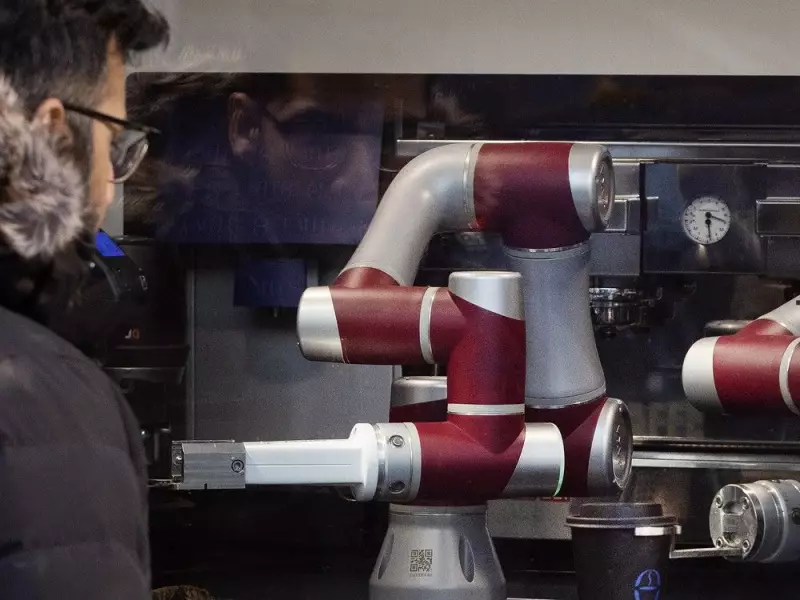
Vandhana Mohanraj and Faisal Fakhani experienced this future firsthand after a grocery run in early December 2025. At the fledgling Caffeo shop, Mohanraj ordered a vanilla latte via a touchpad, paid by card, and watched a multi-armed machine take over. Behind plate-glass, the robot filled a filter with fresh grounds, operated an espresso machine, and steamed milk to complete the drink.
The verdict from the couple was positive. "We have a (human) barista who is always burning our lattes," Fakhani noted, sipping the android-prepared brew. "This is not burnt." The shop's owner, Sammy Motiwala, is part of a vanguard of entrepreneurs leveraging robotics to run customer-facing businesses without traditional employees.

Beyond Coffee: A Nationwide Trend
Caffeo is not an isolated case. Across the country, a quiet revolution is unfolding in bricks-and-mortar establishments. Canadians can now encounter convenience stores operating without clerks, hotels where smartphones handle check-in and towel requests, and gyms or virtual golf ranges running entirely on self-serve systems.
Experts like Wendy Cukier, a professor and disruptive technologies expert at Toronto Metropolitan University, say this trend is a direct response to pressing economic realities. "Everyone's looking at ways to cut costs or to navigate the skills shortage," Cukier explains. "In the absence of available labour, more and more companies are looking at ways to automate functions."
This move towards full automation is seen as the inevitable next step, building on the widespread adoption of self-checkout kiosks in pharmacies and supermarkets. For employers who have relied on temporary foreign workers or international students to fill low-wage roles, staffless technology presents a compelling alternative.
A Consumer Base Ready for Change
Perhaps the most critical factor enabling this shift is the readiness of Canadian consumers. Operators of these automated outlets observe that many customers are now primed for machine-based service in scenarios where human interaction was once assumed.
"There is definitely a subset of people that don't want to talk to some frontline service staff," said Tason Lee, CEO of Tracer Golf, which operates automated golf simulators. "They don't want to feel that pressure. They're kind of in that online world where they can buy something off a website and expect it to be here and that's it."
While some businesses have pulled back from self-serve kiosks due to theft or customer pushback, the momentum for full automation appears strong. Analysts and business owners alike predict continued expansion of this model, fundamentally changing the landscape of retail and service jobs in Canada. The experience at Caffeo in Toronto is just one early sip of a much larger transformation.