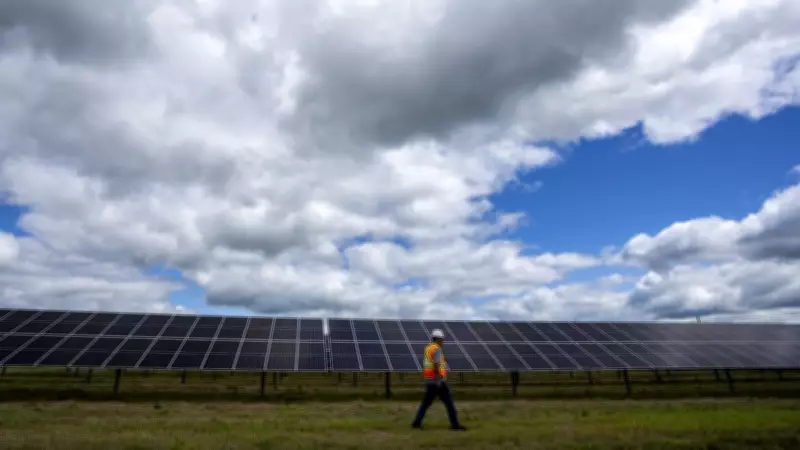
Nova Scotia Companies Power Up, Doubling Solar Power Capacity
In a significant development for renewable energy in Atlantic Canada, companies across Nova Scotia have dramatically increased their solar power generation capabilities. According to recent reports, these businesses have successfully doubled their solar capacity, marking a substantial step forward in the province's transition toward cleaner energy sources.
Major Expansion in Solar Infrastructure
The expansion represents one of the most notable increases in solar power capacity in Nova Scotia's recent history. This growth comes as businesses recognize both the environmental benefits and economic advantages of investing in renewable energy technologies. The doubling of capacity indicates a strong commitment from the private sector to reduce carbon footprints and embrace sustainable practices.
This development aligns with broader national trends toward renewable energy adoption, as seen in other provinces like Quebec, where solar installations have been expanding. The Robert-A.-Boyd Solar Power Plant in Varennes, Quebec, for instance, features extensive monofacial solar panels across 5.6 hectares, demonstrating similar commitments to solar energy infrastructure.

Driving Factors Behind the Solar Surge
Several factors have contributed to this rapid expansion in Nova Scotia's solar capacity:
- Economic incentives and government policies supporting renewable energy projects
- Decreasing costs of solar technology and improved efficiency of photovoltaic systems
- Growing consumer and corporate demand for environmentally responsible energy sources
- Long-term energy security considerations amid fluctuating fossil fuel markets
The timing of this expansion is particularly noteworthy as it coincides with increased attention on climate change mitigation strategies across Canada. Nova Scotia's geographical position offers favorable conditions for solar energy generation, with adequate sunlight exposure throughout much of the year to support these expanded systems.
Broader Implications for Nova Scotia's Energy Landscape
This doubling of solar capacity by Nova Scotia companies represents more than just numerical growth—it signals a fundamental shift in how businesses approach energy consumption and production. As these solar installations come online, they contribute to:
- Reduced greenhouse gas emissions from traditional energy sources
- Increased energy independence for participating businesses
- Job creation in the renewable energy sector
- Enhanced corporate sustainability profiles for Nova Scotia companies
The expansion also positions Nova Scotia as an emerging leader in renewable energy adoption within Atlantic Canada, potentially attracting further investment in green technology and sustainable business practices. This development comes at a time when renewable energy initiatives are gaining momentum across various sectors of the Canadian economy.
As Nova Scotia companies continue to expand their solar capabilities, this trend may inspire similar initiatives throughout the region, contributing to Canada's broader goals of reducing carbon emissions and transitioning toward more sustainable energy systems. The successful doubling of solar capacity demonstrates that business-led initiatives can play a crucial role in advancing renewable energy adoption while maintaining economic viability.