Virtual Worlds Become Arenas for Immigration Activism
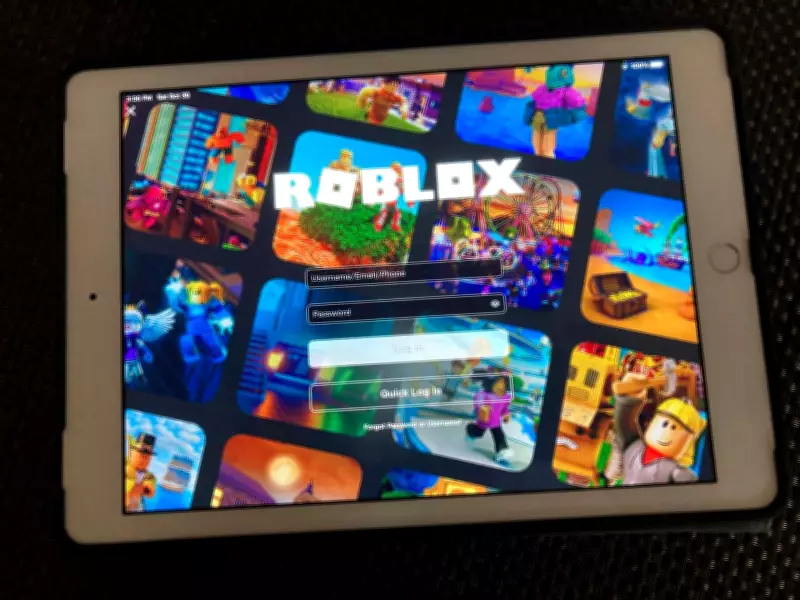
In a striking fusion of digital culture and political expression, young people are leveraging the popular online gaming platform Roblox to stage protests against U.S. Immigration and Customs Enforcement (ICE). These activists are creating virtual environments that reenact immigration raids, transforming a space typically associated with entertainment into a powerful tool for social commentary and advocacy.
A New Frontier for Youth Protest
The phenomenon represents a significant evolution in protest tactics, particularly among younger generations who are digitally native. By utilizing Roblox's extensive creation tools, participants design detailed simulations that mirror real-world immigration enforcement actions. These virtual raids allow users to experience, in a controlled digital setting, the tensions and fears associated with such events, fostering empathy and awareness among a global audience of gamers.
This method of protest highlights the growing intersection between gaming and activism, demonstrating how virtual platforms can serve as accessible venues for political engagement. The Roblox community, which boasts millions of active users worldwide, provides a vast and diverse audience for these messages, amplifying the reach of immigration advocacy efforts beyond traditional protest spaces.

The Mechanics of Digital Dissent
Within these custom Roblox experiences, players may assume various roles, including those of immigrants, ICE agents, or bystanders. The simulations often incorporate narrative elements and educational components, aiming to inform participants about the complexities and human impacts of immigration policies. This interactive approach not only raises awareness but also encourages critical thinking about justice and human rights issues.
The trend underscores a broader shift in how social movements operate in the digital age. As physical gatherings face logistical and safety challenges, virtual protests offer an alternative that is both innovative and inclusive, allowing individuals from different geographic locations to participate simultaneously. However, this digital activism also raises questions about moderation, platform policies, and the balance between free expression and content guidelines on gaming networks.
Context and Implications
This development occurs amidst ongoing debates about immigration enforcement and digital rights. The use of Roblox for political purposes illustrates the platform's expanding role beyond mere entertainment, positioning it as a potential space for civic education and discourse. For young activists, it provides a medium where they can creatively express their views and mobilize peers around causes they care about, leveraging the familiarity and engagement of gaming culture to drive social change.
As these virtual protests gain attention, they may influence how advocacy groups approach digital outreach and how platforms manage politically charged content. The blending of gaming and activism in Roblox signals a new chapter in youth-led movements, where virtual experiences become catalysts for real-world awareness and action on pressing issues like immigration reform.