Waiting a Year for the Nintendo Switch 2: Was It Worth It?
After spending a full year with the Nintendo Switch OLED, I finally decided to upgrade to the newly released Nintendo Switch 2. The question on every gamer's mind: is the jump significant enough to justify the cost? Let's break down the key differences and my real-world experience.
Design and Build Quality
The Switch 2 retains the familiar hybrid form factor but feels noticeably more premium. The kickstand is now a full-width metal plate, offering rock-solid stability in tabletop mode. The Joy-Con controllers attach with a satisfying magnetic click, eliminating the wobble that plagued the original design. At 420 grams, it's slightly heavier than the OLED model (320 grams), but the improved ergonomics make it comfortable for extended sessions.
Display and Performance
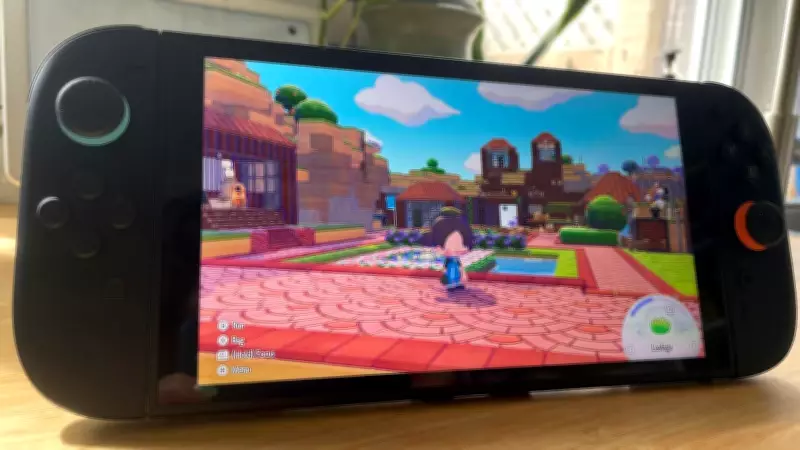
The Switch 2 features a 7.9-inch OLED display with HDR support, a noticeable step up from the 7-inch OLED panel. Colors are more vibrant, blacks are deeper, and the 120Hz refresh rate makes gameplay buttery smooth. Under the hood, the custom NVIDIA Tegra T239 processor delivers ray tracing capabilities and significantly faster load times. Games like The Legend of Zelda: Tears of the Kingdom run at a locked 60 fps in handheld mode, a feat the original could not achieve.

Battery Life and Charging
Battery life has improved: expect 6 to 9 hours depending on the game, compared to 4.5 to 9 hours on the OLED. The Switch 2 also supports USB-C PD 3.0 fast charging, reaching 50% in just 30 minutes. However, the included charger remains the same 39W adapter.
Game Library and Backward Compatibility
All physical and digital Switch games are compatible, and many receive performance patches. Exclusive titles like Metroid Prime 4: Beyond and Super Mario Odyssey 2 showcase the new hardware's capabilities. The eShop interface is snappier, and download speeds have doubled thanks to Wi-Fi 6 support.
Is It Worth the Upgrade?
If you are a dedicated gamer who plays daily and craves the best performance, the Switch 2 is a worthy investment. The improved display, faster load times, and enhanced ergonomics make it the definitive way to play Nintendo games. However, if you are primarily a casual player or use the console mostly in docked mode, the OLED model remains a fantastic device. For me, after a year of waiting, the upgrade felt justified the moment I launched my first game.
Verdict: If you have the budget and want the best handheld experience, go for it. Otherwise, the OLED still holds up well.