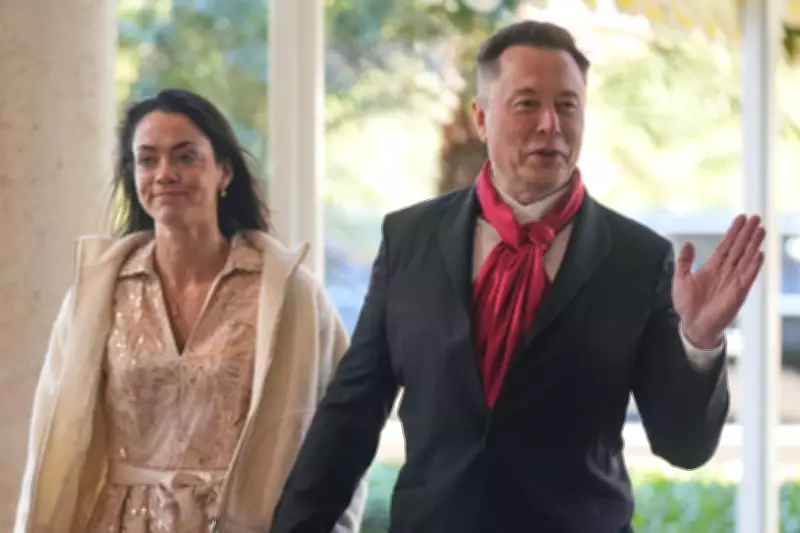
Elon Musk entered a courtroom showdown with OpenAI on Thursday, marking a dramatic escalation in the ongoing feud between the billionaire entrepreneur and the artificial intelligence company he co-founded. The trial, which began in a San Francisco federal court, centers on allegations that OpenAI violated its original nonprofit mission by prioritizing profits over the public good.
Musk's Allegations
Musk, who co-founded OpenAI in 2015 but left the board in 2018, claims that the company's partnership with Microsoft and its shift to a for-profit model betray its founding principles. He argues that OpenAI's technology, particularly its GPT models, should remain open-source and accessible to all, rather than being commercialized for corporate gain.
OpenAI's Defense
OpenAI has denied the allegations, stating that its evolution was necessary to secure the massive funding required for advanced AI research. The company asserts that it continues to prioritize safety and transparency, despite its partnership with Microsoft. In court filings, OpenAI described Musk's lawsuit as a personal vendetta driven by his own AI ambitions.

Key Witnesses
The trial is expected to feature testimony from several high-profile figures, including Microsoft CEO Satya Nadella and former OpenAI board members. Musk himself is likely to take the stand, where he will face intense scrutiny over his own AI ventures, including xAI, which he launched in 2023.
Broader Implications
Legal experts say the case could set a precedent for how AI companies balance profit motives with ethical responsibilities. The outcome may influence future regulation of the AI industry, as governments worldwide grapple with the risks and benefits of rapidly advancing technology.
The trial is expected to last several weeks, with a verdict likely in late 2026. Both sides have expressed confidence in their legal positions, but the stakes could not be higher for the future of artificial intelligence.