UWindsor Conference Spotlights Advantages of 3D Printed Homes
A recent conference hosted by the University of Windsor brought together industry leaders and academics to discuss the transformative potential of 3D printed homes in the construction sector. The event highlighted how this innovative technology can revolutionize building practices by offering faster construction times, reduced labor costs, and enhanced environmental sustainability. However, despite these promising benefits, the adoption of 3D printed homes has been slower than anticipated, raising questions about the barriers hindering its widespread implementation.
Benefits of 3D Printed Construction
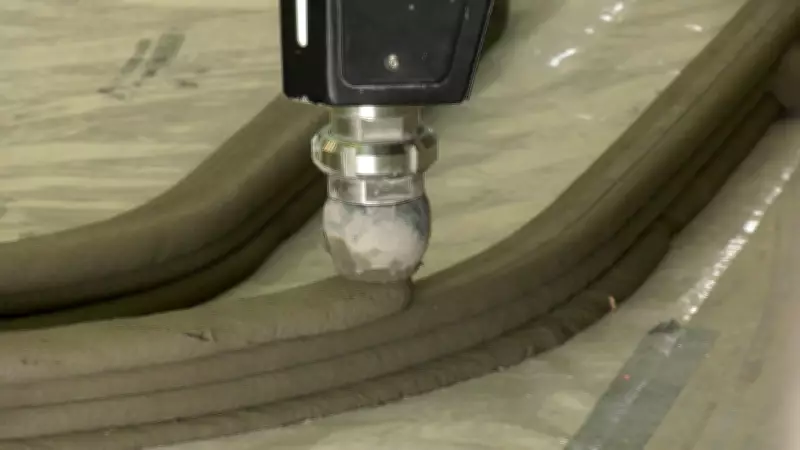
Experts at the conference emphasized that 3D printing technology allows for the precise layering of concrete or other materials to create durable and customizable structures. This method can significantly cut down on construction waste, lower energy consumption, and provide affordable housing solutions in urban and rural areas alike. Additionally, 3D printed homes are often more resilient to extreme weather conditions, making them a viable option for regions prone to climate-related disasters.
Challenges to Adoption
Despite the clear advantages, several factors have contributed to the lag in adoption. Regulatory hurdles, such as building codes and zoning laws that have not yet adapted to this new technology, pose significant obstacles. There is also a lack of skilled labor trained in 3D printing techniques, and initial investment costs for the necessary equipment remain high. Furthermore, public perception and skepticism about the durability and safety of 3D printed structures have slowed market acceptance.

Future Prospects and Solutions
To overcome these challenges, conference participants suggested increased collaboration between government agencies, educational institutions, and private companies. Initiatives like pilot projects, funding for research and development, and updated regulatory frameworks could accelerate adoption. The University of Windsor plans to continue its research in this field, aiming to demonstrate the long-term viability and benefits of 3D printed homes through real-world applications.
In summary, while the UWindsor conference underscored the immense potential of 3D printed homes to address housing shortages and promote sustainability, it also highlighted the need for concerted efforts to tackle the barriers preventing their broader use. As technology advances and stakeholders work together, the future of construction may increasingly rely on these innovative methods.