U.S. Border Agents Escalate Electronic Device Searches with Expanded Device List
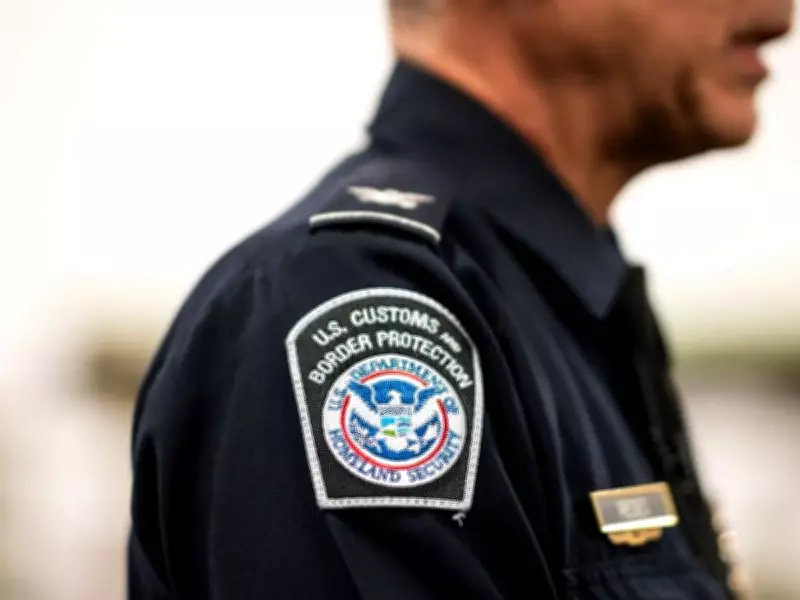
Travelers crossing into the United States should be aware that border agents are conducting significantly more searches of electronic devices, with a notable expansion of what items can be examined. According to recent statistics, U.S. Customs and Border Protection (CBP) conducted a record 55,318 overall electronic device examinations during the 2024-25 fiscal year, representing a substantial 17% increase from the previous year's 47,047 examinations.
Record Examination Numbers and Year-Over-Year Growth
The 2024-25 examination figures mark a 32% increase from the 41,767 examinations conducted in 2022-23, demonstrating a clear upward trend in border scrutiny of digital devices. While CBP officials emphasize that only 0.01% of international passengers arriving in the U.S. were subjected to these searches over the past three fiscal years, the raw numbers tell a story of expanding border security measures.
Foreign nationals continue to represent the majority of search subjects, with their numbers increasing by 26% to reach 41,728 in 2024-25. However, the most dramatic increase affected American citizens, whose devices were searched 56% more frequently during the same period.

Expanded List of Searchable Electronic Items
Under an updated directive from the Department of Homeland Security that took effect on January 1, border agents now have authority to examine a broader range of electronic devices. The new list includes smartwatches, flash drives, and even a phone's SIM card—items not explicitly covered under the previous 2018 directive.
The 2018 directive already authorized searches of "computers, tablets, removable media, disks, drives, tapes, mobile phones, cameras, music and other media players, and any other communication, electronic or digital devices." The updated regulations now specifically add GPS systems, vehicle infotainment systems, and unmanned aircraft systems including drones and model planes to the searchable items list.
Legal Context and Traveler Implications
The American Civil Liberties Union (ACLU) continues to challenge these border searches through legal battles, arguing they violate constitutional protections. According to ACLU data, just over 8,500 searches took place under a 2007 directive, highlighting how dramatically these examinations have increased in recent years.
CBP's directive explains that "a basic search may include documenting information observed on the device during the search that relates to immigration, customs, or other law enforcement actions in CBP systems," and notes these searches can be conducted "with or without suspicion."
Travelers who refuse to provide passwords to unlock their devices face serious consequences, including device confiscation, travel delays, complete denial of entry, and even detention while awaiting deportation proceedings.
Agency Response and Data Limitations
The Department of Homeland Security has defended these measures, stating in an email that "lawful travellers have nothing to fear from these measures, which are designed to protect our nation's security." The agency has specifically denied allegations that political beliefs trigger inspections or removals, calling such claims "baseless and irresponsible."
CBP's current data does not specify how many searches occurred at the Canadian border versus the Mexican border, nor does it distinguish between air and land points of entry. The agency has been contacted for a more detailed breakdown of these statistics.
As border security measures continue to evolve in the digital age, travelers should be prepared for increased scrutiny of their electronic devices and understand their rights and responsibilities when crossing international boundaries.