Seniors Unwittingly Aid Scammers in New Social Media Fraud Scheme
In a disturbing new trend, seniors are being exploited as unwitting participants in sophisticated social media scams. According to Marisha Goldhamer, an investigations expert at AFP News Agency, fraudsters are using emotional manipulation to target both older adults and compassionate viewers.
The Deceptive Video Strategy
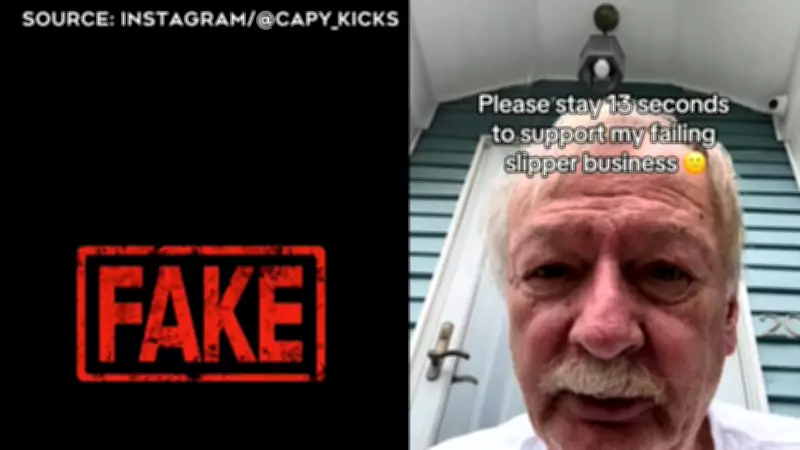
Goldhamer explains that scammers create convincing video clips featuring seniors who appear to be pleading for views and purchases of their handmade products. These videos often portray the seniors as struggling artisans or grandparents trying to supplement their income, tapping into viewers' empathy and desire to support vulnerable community members.
The reality is far more sinister. The seniors featured in these videos are typically unaware their images are being used for fraudulent purposes. In many cases, their genuine social media posts or public videos are edited and repurposed without their knowledge or consent. Some scammers even use deepfake technology or hire actors to portray convincing elderly individuals.

How the Scam Operates
The fraud follows a multi-step process designed to maximize financial gain while minimizing detection:
- Scammers identify potential senior targets through public social media profiles or by searching for genuine craft sellers
- They either steal existing content or create fabricated videos showing seniors in distress
- These videos are promoted through paid advertising and fake engagement to reach wide audiences
- Viewers are directed to fraudulent e-commerce sites selling nonexistent or counterfeit products
- Payment information is collected but orders are never fulfilled, and personal data is often resold on dark web markets
The Broader Impact
This scam represents a particularly insidious form of elder financial exploitation because it weaponizes the seniors' apparent vulnerability against well-meaning consumers. Victims experience dual harm: the seniors whose identities are stolen suffer privacy violations and potential reputation damage, while consumers lose money and potentially have their financial information compromised.
Goldhamer emphasizes that these scams are becoming increasingly sophisticated, with professional-looking websites, fake customer reviews, and even fabricated "behind the scenes" content showing the seniors supposedly creating their products. The emotional manipulation is carefully calibrated to bypass viewers' skepticism.
Protection and Prevention
Experts recommend several strategies to combat this growing threat:
- Verify the authenticity of social media charity appeals through independent research
- Look for inconsistencies in video quality, background details, or the senior's story
- Use reverse image search tools to check if photos or videos appear elsewhere online
- Report suspicious content to platform administrators immediately
- Educate older family members about protecting their online presence and personal information
As social media platforms continue to evolve, so too do the methods of those seeking to exploit both vulnerable populations and compassionate consumers. This latest scam serves as a stark reminder that digital literacy and cautious skepticism remain essential tools for navigating today's online landscape.