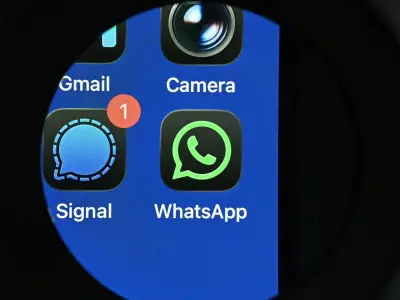
Russian authorities have moved decisively to suppress public demonstrations protesting the government's recent blocking of a popular messaging application. Despite these efforts, significant frustration persists among citizens who rely on the platform for communication and information sharing.
Swift Action to Quell Unrest
In response to planned rallies, Russian security forces and law enforcement agencies deployed preemptive measures across multiple cities. These actions included increased police presence, detentions of suspected organizers, and the dispersal of any gathering attempts before they could gain momentum. The government cited concerns over public order and potential extremist activities as justification for these interventions.
Digital Crackdown Sparks Outrage
The messaging app in question had become an essential tool for millions of Russians, serving not only personal communication but also as a platform for independent news and political discussion. Its sudden blocking has been widely interpreted as another step in the government's ongoing campaign to control digital spaces and limit dissenting voices.

This development represents a significant escalation in Russia's internet governance policies, which have increasingly focused on restricting access to foreign digital services and platforms. The blocked application had previously faced pressure from regulators but had managed to maintain operations until this latest action.
Public Response and Ongoing Tensions
Despite the successful prevention of organized protests, public discontent remains palpable. Social media platforms and alternative communication channels have been flooded with expressions of anger and frustration. Many users have criticized what they perceive as an infringement on their digital rights and freedom of expression.
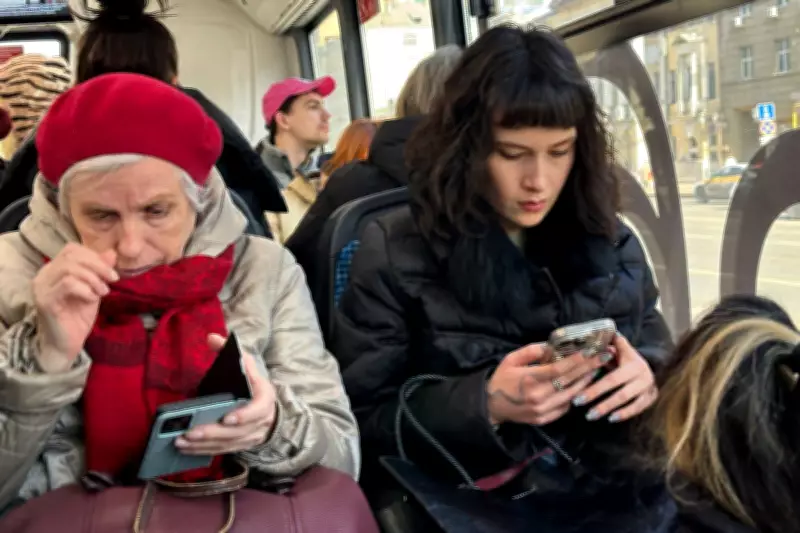
The blocking of this application has particularly affected younger demographics and urban populations, who have come to depend on such platforms for daily communication and access to uncensored information. This has created a growing divide between government policies and the digital habits of a significant portion of the population.
Broader Implications for Digital Freedom
This incident occurs within the context of Russia's increasingly restrictive internet environment, often referred to as the "sovereign internet" policy. These measures have included:
- Requirements for technology companies to store Russian user data within the country
- Increased surveillance capabilities for security agencies
- Blocking of numerous websites and platforms deemed threatening to national security
- Development of domestic alternatives to foreign digital services
The current situation highlights the ongoing tension between technological advancement and governmental control in Russia. While authorities maintain that such measures are necessary for national security and stability, critics argue they represent a systematic erosion of digital freedoms and privacy rights.
Looking Forward
As the government maintains its position on the messaging app blockade, observers note that the underlying issues are unlikely to disappear. The technological landscape continues to evolve, and citizens are finding new ways to circumvent restrictions, creating a continuous cycle of government action and public adaptation.
The persistence of public frustration suggests that this incident may represent not an endpoint but rather another chapter in Russia's complex relationship with digital technology and information control. How this tension resolves will have significant implications for both domestic politics and Russia's position in the global digital ecosystem.