Manitoban Urges Legislative Action Against Third-Party Obituary Platforms
A resident of Manitoba is spearheading a campaign to ban third-party obituary websites, arguing that these platforms exploit vulnerable families during times of grief. The movement has gained traction as more Canadians express frustration over the commercialization of digital memorials.
Personal Grief Sparks Public Advocacy
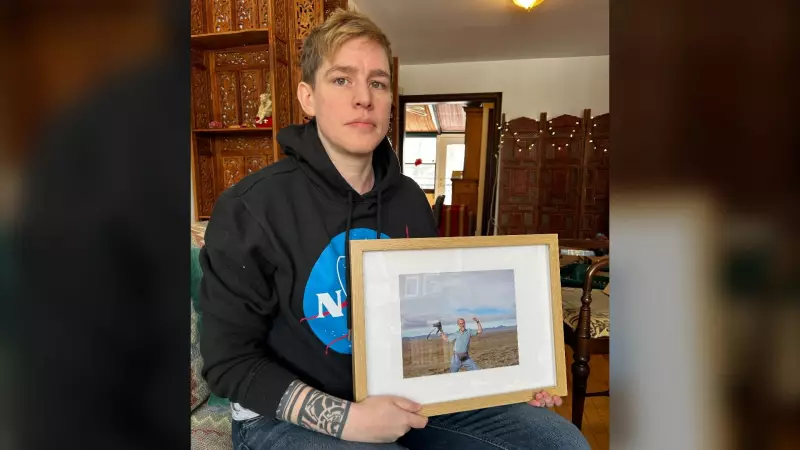
Kathryn Van Ameyde, who lost her father Ken in October 2025, has become a vocal advocate for change. Holding a cherished photograph of her father, she shared her distressing experience with third-party sites that republished his obituary without consent, often charging fees for access or alterations.
Van Ameyde emphasized, "These websites profit from our sorrow, turning personal tributes into revenue streams. It's disrespectful and adds unnecessary stress when families are already mourning." Her story resonates with many across Canada who have encountered similar issues.

The Mechanics of Third-Party Obituary Sites
Third-party obituary websites typically scrape content from funeral home websites or local newspapers, republishing it on their own platforms. They often generate revenue through advertising, subscription fees, or charges for edits. This practice raises significant ethical and legal questions.
- Lack of Consent: Families frequently discover obituaries posted without permission.
- Monetization of Grief: Sites may require payment for corrections or removal.
- Inaccuracy Risks: Republished content can contain errors, causing further distress.
Broader Implications for Digital Memorialization
The call for a ban highlights a growing concern over how digital spaces handle sensitive personal information. As obituaries move online, the need for respectful and regulated platforms becomes increasingly urgent. Experts suggest that current laws may not adequately address these modern challenges.
"This isn't just about obituaries; it's about protecting digital dignity," noted a legal analyst specializing in privacy law. "Families deserve control over how their loved ones are remembered online."
Potential Pathways for Change
Advocates are urging provincial and federal governments to consider legislation that would restrict or regulate third-party obituary websites. Possible measures include:
- Implementing stricter copyright and privacy protections for obituary content.
- Requiring explicit consent from families before publication.
- Establishing penalties for websites that exploit grieving individuals.
The movement in Manitoba could inspire similar actions nationwide, as Canadians seek to safeguard the memory of their loved ones in an increasingly digital world.