Minnesota Woman's Global Entry Privileges Revoked Following Border Agent Encounter
A Minnesota woman has reported that her Global Entry and TSA PreCheck privileges were abruptly canceled just three days after an encounter with a federal border patrol agent. The incident raises significant questions about surveillance practices and civil liberties in the United States.
The Confrontation in Minneapolis
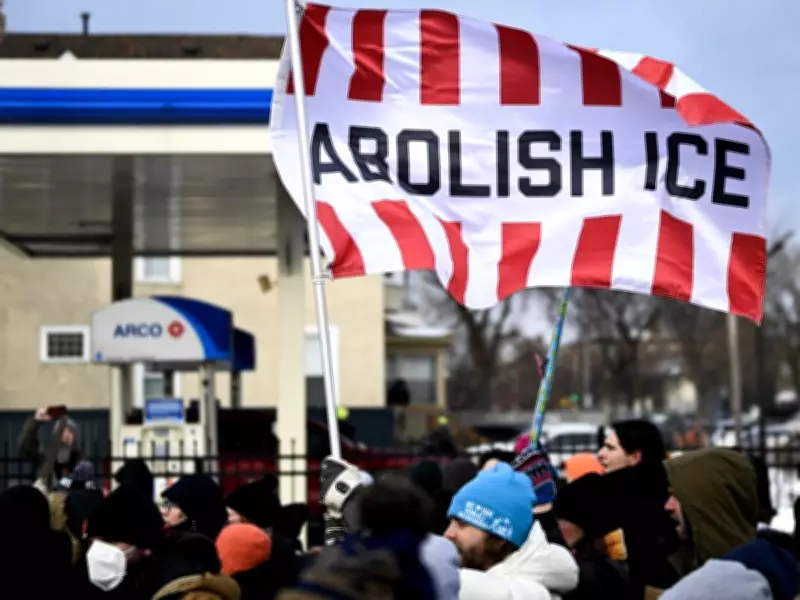
Nicole Cleland, a 56-year-old payments director at Minneapolis-based Target Corporation, described the January 10 encounter in a court declaration. According to Cleland, she was participating with a neighborhood group that tracks federal agents from U.S. Immigration and Customs Enforcement and Customs and Border Protection when she followed an agent's white Dodge Ram into the parking lot of a Mexican supermarket.
The agent, dressed in camouflage, reportedly addressed Cleland by name and informed her that he had "facial recognition" capabilities and that his body camera was recording. The agent warned Cleland that she was impeding law enforcement work and gave her a verbal warning, stating that if she was found impeding again, she would be arrested.

Swift Consequences for Travel Privileges
Just three days after this encounter, Cleland received notice that her Global Entry and TSA PreCheck privileges had been canceled. These programs allow expedited clearance for pre-approved, low-risk travelers upon arrival in the United States, and their revocation represents a significant inconvenience for frequent travelers.
The incident is now part of a lawsuit filed in Minnesota state court in December by residents alleging that the Department of Homeland Security and some of its top officials and agents violated their First Amendment rights. A spokesperson for the Department of Homeland Security did not respond to requests for comment, and Cleland could not be reached for comment. Target Corporation declined to comment on the matter.
Broader Concerns About Surveillance Technology
This case emerges amid growing concerns about the use of surveillance technologies by federal agents. Civil rights groups have raised alarms about the expanding use of facial recognition and other monitoring tools by immigration enforcement agencies.
Mario Trujillo, an attorney at the nonprofit Electronic Frontier Foundation, stated, "We are seeing a crackdown on observers." According to Trujillo, federal immigration agents only have the authority to collect people's biometric information during specific circumstances: during entry or exit at the border, when a person has been detained or arrested, or when an undocumented immigrant is in the country but working on an immigration application.
Trujillo noted that he is aware of several instances in which DHS is taking measures to track U.S. citizens and monitor their activities. These include pressuring technology companies like Apple and Google to remove apps that track ICE agents, and making requests to Meta Platforms to unmask accounts that have posted online about immigration raids.
Expanding Surveillance Capabilities
The Department of Homeland Security has reportedly amassed a significant stockpile of artificial intelligence-based surveillance tools, according to agency records. This includes a database of AI-enabled tools currently in use, with 24 different tools specifically employing facial recognition technology developed by various vendors or created in-house.
The immigration crackdown in Minneapolis has faced increasing backlash, particularly after a protester, Alex Pretti, was killed last weekend—the second U.S. citizen to be fatally shot by federal forces in the city this month. Bloomberg News was unable to verify whether facial recognition was actually used to identify Cleland during the January encounter, though The Boston Globe previously reported on Cleland's declaration.
This case highlights the tension between national security measures and civil liberties, particularly as surveillance technologies become more sophisticated and widely deployed by government agencies. The revocation of Cleland's travel privileges following what she describes as a peaceful observation activity raises important questions about the appropriate boundaries of law enforcement authority and the protection of constitutional rights.