Tech Tips to Combat Front-Door Fraudsters During Fraud Prevention Month
Are you hesitant to open your door to unexpected visitors? You are not alone. A recent national survey conducted by Ipsos and commissioned by HomeEquity Bank reveals that more than a third of Canadians aged 55 and older refuse to answer the door for strangers, making them 70% more likely to do so than adults aged 18 to 34.
Rising Concerns Over Door-to-Door Scams
This skepticism is well-founded. The Canadian Anti-Fraud Centre reports that service-related scams are among the top three most reported types of fraud targeting older Canadians. Scammers often pose as utility providers, tech support, or government officials, using high-pressure tactics to trick victims into immediate payment or granting account access.
Yvonne Ziomecki-Fisher, Chief Customer, Brand and Advice Officer at HomeEquity Bank, confirms, "Across the board, we found 82% of Canadians are cautious – or even nervous – about opening the door to strangers. But they’re taking action, with more than half of aging Canadians taking steps to verify visitors, like looking for an official vehicle, ID or uniform, before opening the door."

The January 2026 survey of over 1,001 Canadians identified common suspicious activities, including:
- Unsolicited sales or product offers (35%)
- Strangers claiming to represent a charitable organization (24%)
- Individuals posing as utility or service company employees (16%)
- Strangers asking for help (12%)
- Unexpected or unusual deliveries (10%)
- Visitors asking personal or probing questions (8%)
Leveraging Technology for Protection
Despite these concerns, the survey found that 55% of older Canadians do not use security technology to deter front-door fraudsters. With March designated as Fraud Prevention Month, it is an ideal time to explore tech solutions that can help safeguard your home.
Video Doorbells: These devices allow you to see and speak to visitors through your smartphone, even when you are not home. Many models use AI to identify people and pets, and some require cloud subscriptions for video archiving. The presence of a camera can discourage scammers from making false statements on record.
Outdoor Cameras and Lights: Surveillance cameras placed around your property act as a deterrent and provide video evidence in case of criminal activity. Motion-sensor lights can illuminate dark areas, enhancing safety and exposing trespassers. Notifications can be sent to your phone or smart TV when motion is detected.
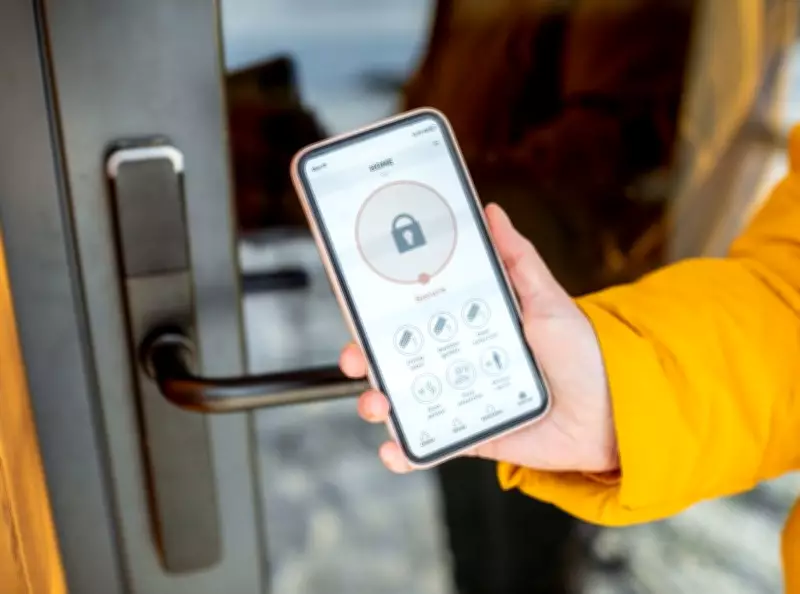
Smart Locks: These locks log all entries and exits with timestamps in an app, often with screenshots. They allow you to grant limited access via electronic keys or codes, which is useful for caregivers. Features like facial recognition or smartwatch taps benefit seniors with dexterity challenges.
Wearable Devices: Emerging tech includes smart glasses or pendants with microphones and cameras that can record interactions. Civilian bodycams, increasingly used by college women in the U.S., can broadcast conversations to remote contacts, such as family members, for added security.
Additional Strategies to Ward Off Scammers
While technology is a valuable tool, it does not fully protect vulnerable individuals. Here are practical tips to enhance your defense against door-to-door fraud:

- You are under no obligation to open the door to strangers. Use a peephole or video doorbell to check visitors first, and keep the chain on if you decide to open it.
- Install "No Soliciting" signs to deter unwanted visitors and provide a reason to turn them away.
- Never let strangers inside your home, regardless of their excuses, such as needing to use the bathroom or check a meter.
- Avoid agreeing to anything on the spot. Ask for literature and research the company, consulting a trusted friend or family member before making decisions.
- Verify claims by calling the company directly using a number you look up yourself, not one provided by the visitor.
- Never share personal or financial information like your SIN or credit card details. If making a purchase, use a credit card for better fraud protection and take advantage of cooling-off periods to cancel contracts.
- Report suspicious activity to local police and alert neighbors to help protect the community.
By combining technology with vigilant practices, Canadians can better protect themselves from front-door fraudsters. As Ziomecki-Fisher notes, "Even though there’s a lot more attention in the media about online fraud today, many Canadians are aware door-to-door scams still exist." Stay informed and proactive to ensure your safety.