Brick Device Aims to Curb Smartphone Dependency Through Physical Intervention
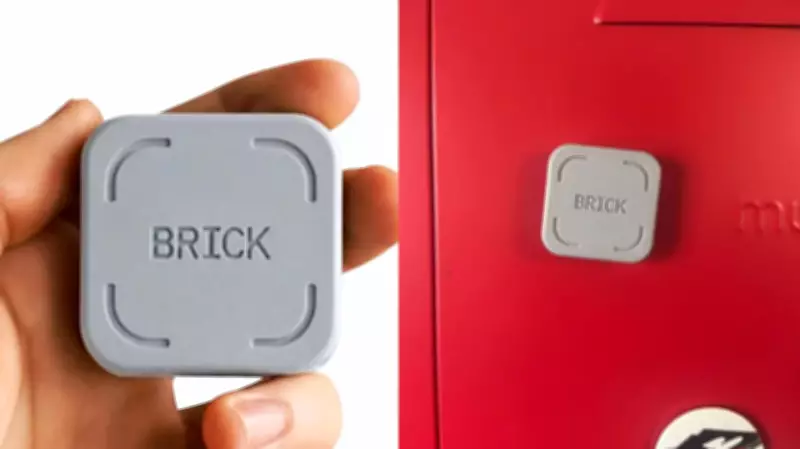
In an era where smartphone attachment is ubiquitous, the Brick emerges as a novel physical tool designed to combat digital dependency. Unlike conventional software solutions, this device requires users to physically tap it to unlock restricted apps or websites, fostering mindfulness and intentional phone use.
How Brick Works Differently from Digital Alternatives
While apps like Apple's Screen Time or Android's Digital Wellbeing offer temporary blocks, they are often easy to bypass. Brick, however, is a subscription-free, pocket-sized device that demands a physical action to access previously "bricked" content. This mechanism ensures that if you leave the device at home, you cannot succumb to distractions like doomscrolling on TikTok or checking Instagram during commutes. Similarly, placing Brick in another room at night can prevent late-night social media binges, making it harder to give in to digital temptations.
Real-World Testimonials from HuffPost Newsroom
Five individuals from the HuffPost newsroom tested Brick, with varied outcomes. Many reported significant reductions in screen time and enhanced productivity, while others discovered they did not need the device after all.

Erica Kam, a shopping writer, noted that Brick cut her screen time in half initially, from 10-11 hours weekly to more manageable levels. She emphasized that the device requires habit-building and scheduling for optimal use. Kam highlighted that Brick helped her "divorce the guilt" associated with phone use, acknowledging that not all screen time is wasteful—such as FaceTiming family or using navigation apps.
Kevin Cortez's InsightsKevin Cortez, a shopping editor, reduced his screen time by one hour using Brick. He praised its effectiveness over Apple's Screen Time, as it forces physical movement to unlock apps. By blocking distractions during work hours, Cortez improved focus and presence in social interactions, though he acknowledged it may not suit everyone.
Monica Torres's PerspectiveMonica Torres, a senior life reporter, found that Brick challenged her belief in the necessity of real-time social media feedback. Her screen time dropped by 62%, allowing her to take up crochet as a new hobby. Torres appreciated the forced reflection Brick provided, leading to greater control over digital consumption.
Lourdes Avila Uribe and Tessa Flores's ViewsLourdes Avila Uribe, a senior shopping writer, did not use Brick due to peace with her scrolling habits, averaging 2-3 hours daily on social media. Tessa Flores, another senior shopping writer, opted not to install Brick, valuing harmless scrolling as a decompression tool but recognizing its potential for retraining brain habits toward intentional app use.
Conclusion and Pricing
Priced at $59, Brick offers a tangible approach to digital wellness, though its effectiveness varies by individual. It serves as a tool for those seeking to reduce mindless scrolling and enhance mindfulness, without aiming for complete phone abstinence. As smartphone dependency grows, devices like Brick highlight the ongoing search for balance in our connected lives.