Super Bowl LX on High Alert for Advanced AI Cyber Threats
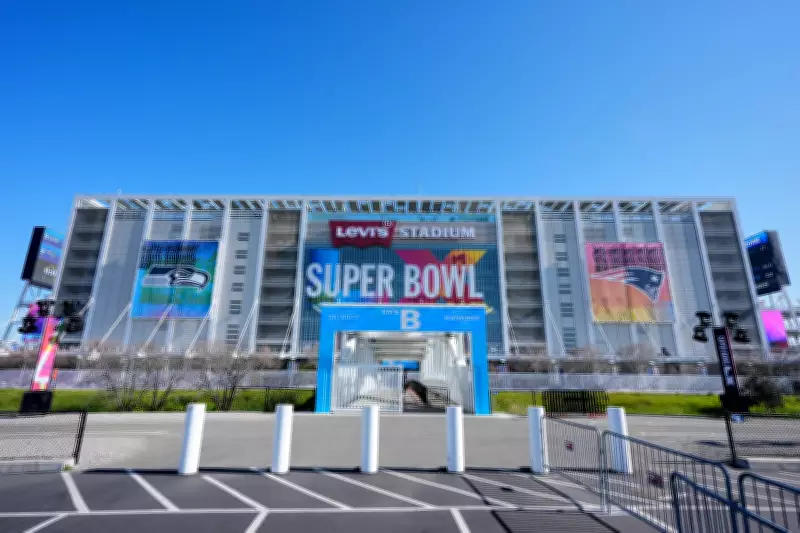
With Super Bowl LX set to take place at Levi's Stadium in Santa Clara, California, event organizers and cybersecurity experts are intensifying preparations to counter potential artificial intelligence-driven cyber threats. The high-profile nature of the game, featuring a matchup between the Seattle Seahawks and the New England Patriots, makes it a prime target for malicious actors seeking to disrupt operations or steal sensitive data.
Sophisticated Attack Vectors Require Enhanced Defenses
Security analysts warn that AI-powered attacks could employ automated systems to exploit vulnerabilities in ticketing platforms, broadcast networks, and stadium infrastructure. These threats might include phishing campaigns, distributed denial-of-service (DDoS) attacks, or attempts to compromise personal information of attendees and participants. The integration of AI allows hackers to adapt their strategies in real-time, making traditional security measures less effective.
Officials are implementing multi-layered security protocols that combine human oversight with advanced technological solutions. This includes real-time monitoring of network traffic, enhanced encryption for communications, and collaboration with federal agencies to share threat intelligence. The goal is to create a resilient defense system capable of identifying and neutralizing threats before they can cause significant harm.

Broader Implications for Major Sporting Events
The focus on AI cybersecurity at Super Bowl LX reflects a growing trend in the sports industry, where digital infrastructure plays a critical role in event management. As technology becomes more embedded in fan experiences—through mobile apps, cashless payments, and interactive displays—the potential attack surface expands. Lessons learned from this event could inform security strategies for other large-scale gatherings, including the upcoming Olympic Games.
Proactive measures are essential to safeguard not only the immediate event but also the long-term trust of fans and stakeholders. By addressing these challenges head-on, organizers aim to ensure that the excitement of the game remains uninterrupted by digital intrusions.