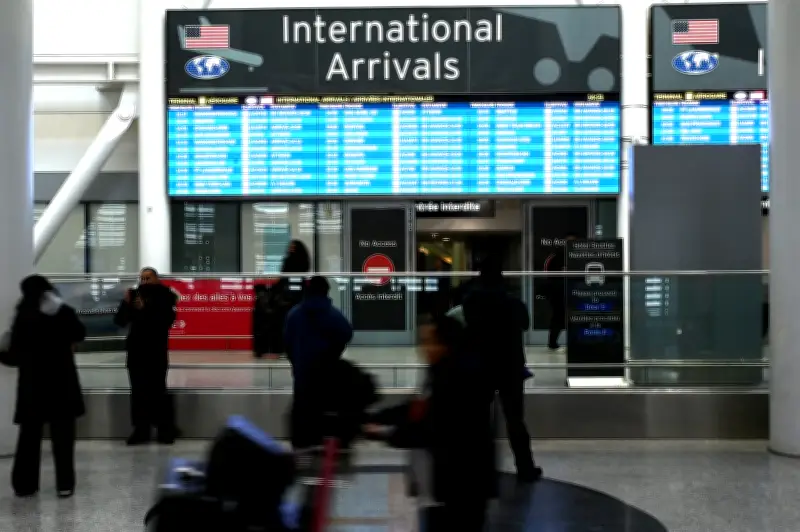
Montreal-Trudeau, Vancouver International, and Ottawa International airports have added their voices to Toronto Pearson's concerns over a surge in fake, bot-driven travel websites that use artificial intelligence to generate false articles about delayed and cancelled flights. The airports issued a joint statement on July 9, 2026, warning travelers to rely only on official airport and airline channels for accurate flight information.
Rise of AI-Generated Misinformation
The fraudulent websites mimic legitimate news outlets and travel advisory platforms, publishing fabricated stories that claim widespread flight disruptions at major Canadian airports. According to airport officials, these sites are designed to drive traffic through sensational headlines and may also attempt to collect personal data or sell bogus travel services. Toronto Pearson International Airport first raised the alarm earlier this week after detecting dozens of such sites targeting its passengers.
“These AI-generated articles are not only misleading but potentially dangerous if travelers base their decisions on false information,” said a spokesperson for the Canadian Airports Council. The council represents over 50 airports across the country and is coordinating efforts to flag and takedown the fraudulent domains.

How Travelers Can Protect Themselves
Airports are urging passengers to verify flight status directly through official airport websites, airline apps, or trusted travel platforms. They also recommend checking for telltale signs of AI-generated content, such as generic language, missing author bylines, and unusual domain names. “If a site looks suspicious or makes extraordinary claims, it’s best to double-check with the airport or airline directly,” the statement added.
Cybersecurity experts note that the scam is part of a broader trend of AI-powered misinformation targeting high-traffic sectors like travel. “We’ve seen similar patterns in banking and healthcare, but travel is particularly vulnerable because people are often in a hurry and less likely to scrutinize information,” said Dr. Elena Torres, a digital fraud researcher at the University of Waterloo.
Regulatory and Industry Response
Transport Canada and the Canadian Radio-television and Telecommunications Commission (CRTC) are investigating the matter. A Transport Canada official confirmed that the agency is working with international partners to trace the origins of the fraudulent sites. Meanwhile, the Canadian Airports Council has launched a public awareness campaign, including social media alerts and on-site messaging at terminals.
“We are taking this very seriously,” said the council spokesperson. “Our priority is to ensure passengers have access to reliable information and can travel with confidence.” The airports also emphasized that no official data breaches have been reported in connection with the fake sites, but cautioned against entering personal information on unverified pages.
As the summer travel season peaks, the airports are advising travelers to remain vigilant and report suspicious websites to local authorities or the Canadian Anti-Fraud Centre.