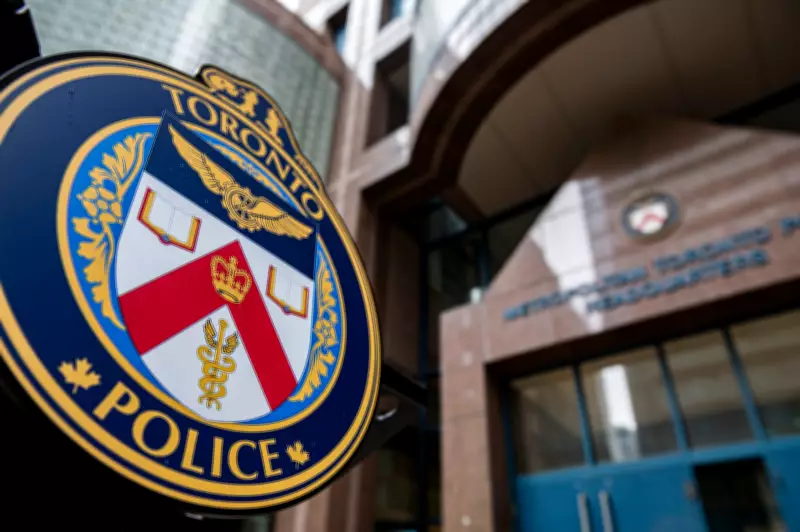
AI-Driven Scams Experience Dramatic Surge in Toronto, Authorities Alert Public
In a stark warning to residents, the Toronto Police Service has highlighted a rapid escalation in scams utilizing artificial intelligence tools over the past six months. Detective David Coffey, who leads the financial crimes unit, described the trend as having "taken off like a rocket" in recent months, emphasizing the growing sophistication of these fraudulent schemes.
Sophisticated Tactics and Increased Vigilance
According to Detective Coffey, AI technology is being leveraged by scammers to create more convincing and personalized phishing attempts, fake voice calls, and deepfake videos. These tools enable criminals to mimic trusted individuals or organizations with alarming accuracy, making it increasingly difficult for victims to discern legitimate communications from malicious ones.
The financial crimes unit has observed a notable uptick in reports involving AI-assisted fraud, particularly targeting vulnerable populations such as seniors and those unfamiliar with digital security practices. Coffey stressed that the speed and scale of this rise are unprecedented, prompting urgent public awareness campaigns.

Preventive Measures and Public Response
To combat this emerging threat, Toronto police are advising residents to adopt several key precautions:
- Verify the identity of callers or message senders through independent means before sharing personal or financial information.
- Be skeptical of unsolicited communications that pressure immediate action or request sensitive data.
- Utilize multi-factor authentication and regularly update passwords for online accounts.
- Report any suspicious activity to authorities promptly to aid in investigations and trend analysis.
Detective Coffey noted that while technology evolves, so do the methods of exploitation, making continuous education and adaptation essential for both law enforcement and the community. "We are seeing a shift where AI is not just a tool for innovation but also for deception," he remarked, underscoring the dual-edged nature of advanced technologies.
Broader Implications and Future Outlook
This surge in AI-related scams reflects a broader global trend, as cybercriminals increasingly harness machine learning and automation to enhance their illicit activities. The Toronto case serves as a microcosm of wider challenges in cybersecurity and financial crime prevention, highlighting the need for collaborative efforts between tech companies, regulatory bodies, and law enforcement agencies.
As investigations continue, police are working to track down perpetrators and dismantle networks behind these scams. However, they caution that the dynamic nature of AI means new variants may emerge rapidly, requiring ongoing vigilance from all stakeholders.
Residents are encouraged to stay informed through official police channels and community workshops aimed at demystifying AI risks. By fostering a culture of skepticism and proactive defense, Toronto hopes to mitigate the impact of these sophisticated fraud attempts and protect its citizens from financial harm.