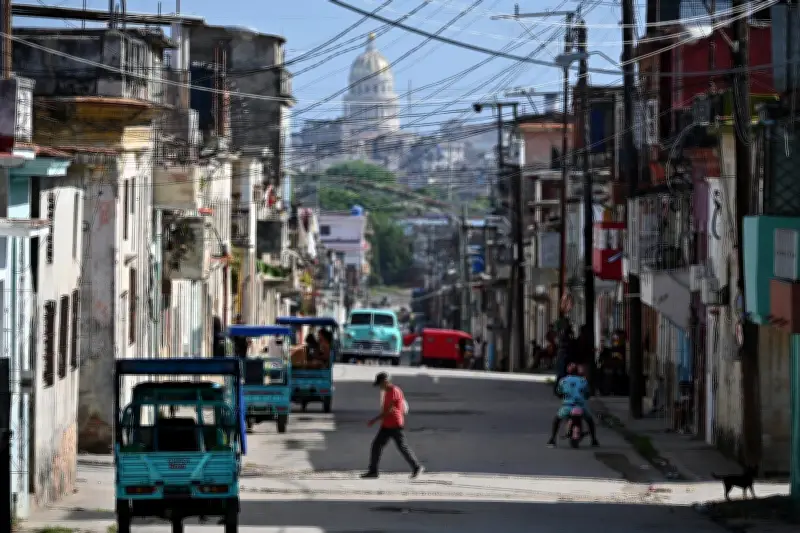
Despite enduring decades of economic sanctions and a tightening fuel blockade imposed by the United States, the Cuban people continue to demonstrate remarkable resilience and resourcefulness in their daily lives. The island nation, which has faced severe shortages of fuel, food, and medicine, has seen its citizens adapt through community networks, innovation, and sheer determination.
Community Support Systems
In neighborhoods across Havana and beyond, Cubans have developed intricate systems of mutual aid. Families share scarce resources such as cooking oil, rice, and beans. Neighbors pool their limited fuel rations to transport the sick to hospitals or to bring goods to local markets. These informal networks have become a lifeline, especially for the elderly and those with chronic health conditions.
Innovation Amid Scarcity
The fuel blockade has forced Cubans to become masters of improvisation. Mechanics have learned to repair aging American cars from the 1950s with parts salvaged from other vehicles or fabricated from scrap metal. Bicycle taxis and horse-drawn carts have become common sights on the streets, providing alternative transportation when gasoline is unavailable. Small-scale solar panels and wind turbines are increasingly being installed in homes and businesses to reduce reliance on the national grid.

Local agriculture has also seen a resurgence. Urban gardens, known as organoponicos, now dot the landscape, providing fresh produce to communities. These gardens use organic methods and recycled materials, bypassing the need for imported fertilizers and pesticides.
Economic Adaptations
The Cuban government has introduced a series of economic reforms to cope with the crisis. The expansion of self-employment and small private enterprises has allowed many Cubans to generate income outside the state sector. New businesses, from paladares (private restaurants) to bed-and-breakfasts, have sprung up, catering to both locals and the limited number of tourists.
- Paladares offer traditional Cuban cuisine with locally sourced ingredients.
- Casas particulares provide affordable accommodation for travelers.
- Artisans create crafts and artwork for sale in local markets.
Challenges Remain
Despite these efforts, the daily struggle is immense. Long lines for basic goods are common, and power outages are frequent. The black market for fuel and other essentials thrives, but it comes with risks of legal repercussions. Many Cubans express frustration with the slow pace of change and the continued impact of US policies.
Nevertheless, the spirit of the Cuban people remains unbroken. As one Havana resident put it, "We have been through difficult times before. We know how to survive. We help each other, and we keep going." This resilience is a testament to the strength of community and the human will to persevere against overwhelming odds.