MONTREAL, Feb. 26, 2026 – PyroGenesis Inc., a prominent provider of ultra-high temperature processes and plasma-based engineering solutions for heavy industry and defense sectors, has officially announced the successful completion of a primary testing campaign conducted in collaboration with a leading battery recycling company. This milestone represents a significant advancement in sustainable battery material recovery technologies.
Testing Campaign Details and Timeline
As previously disclosed in a press release dated December 11, 2025, PyroGenesis entered into a contractual agreement with a company specializing in large-scale battery recycling. The objective was to evaluate PyroGenesis' high-temperature plasma technology within the client's material recovery and new battery production processes. The testing agreement was structured with a targeted timeline spanning from the fourth quarter of 2025 through the first quarter of 2026.
The recent announcement confirms that the primary testing phase has concluded successfully. Material samples extracted during these tests have been dispatched to the client's facility for comprehensive analysis, including performance validation, yield assessment, and detailed chemistry measurements.

Client Verification and Technical Confirmation
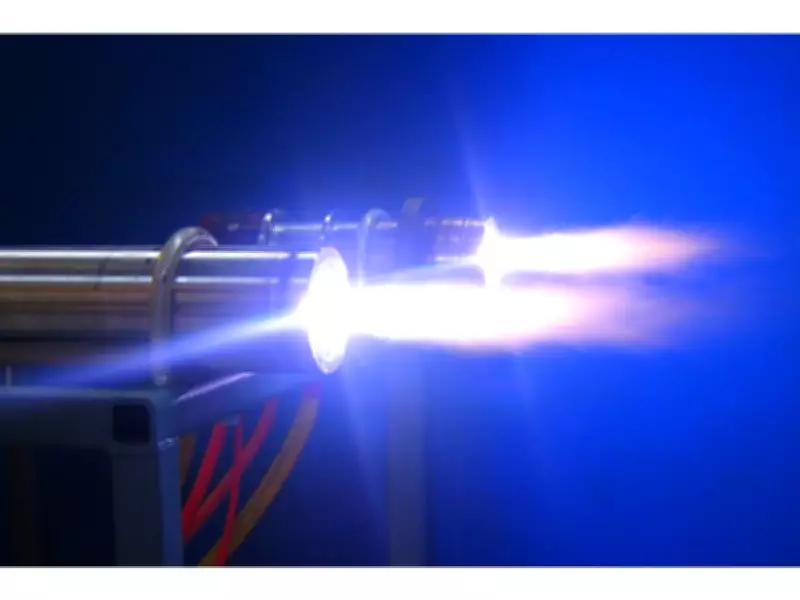
A team of client engineers was present at PyroGenesis' facilities to witness the recent testing procedures firsthand. Their observations confirmed that the anticipated outcomes of utilizing plasma technology in this specific application were achieved, validating the technical feasibility of the approach.
Despite this positive development, PyroGenesis has emphasized that there is no certainty regarding the timing or necessity of additional testing phases. However, if required, a subsequent testing phase is expected to occur before the conclusion of the second quarter of 2026.
Potential Equipment Purchases and Scaling Plans
The client's long-term objectives include the potential acquisition of plasma torch systems to scale their operations. Initial plans involve purchasing a 1 MW plasma torch system, followed by either five additional 1 MW systems or a single 5 MW plasma torch system. Furthermore, the client has indicated a possible future need for multiple 5 MW plasma torch systems to meet expanding operational demands.
PyroGenesis has clarified that while today's announcement marks a positive step, there is no guarantee that further tests will be conducted or that any future plasma torch system purchases will materialize.
Project Highlights and Strategic Implications
Purpose: The primary aim of this initiative is to utilize plasma technology as a replacement for fossil fuel heating during lithium-ion battery recycling processes. This shift supports broader environmental and sustainability goals.
Scope: The successful primary testing has confirmed that PyroGenesis' plasma technology for superheating materials is a viable option for recovering cathode and anode materials from batteries. This validation paves the way for potential scaling efforts, which could lead to the acquisition of plasma torch systems as outlined above.
Timeline: Any additional testing and go/no-go decisions related to scaling up the technology are scheduled to be finalized by the end of the second quarter of 2026.
Strategic Impact: This project aligns with the end customer's objectives to transition to all-electric operations, thereby enhancing competitiveness against overseas manufacturers. It contributes to establishing a cleaner, more sustainable supply chain for reusable battery materials, reducing dependence on new mining activities. Additionally, it promotes the concept of providing a second life for batteries that, upon retirement, may still possess years of usable capacity or can be disassembled for material recovery.
The demand for lithium-ion batteries continues to escalate rapidly, with projections indicating that the volume of end-of-life lithium-ion batteries will surge from 900 thousand tons in 2025 to an estimated 20.5 million tons by 2040, representing an annual growth rate of 25%. This dramatic increase underscores the critical need for effective recycling and repurposing strategies to manage battery waste and support circular economy principles.