The Unsettling Feeling of Robot Embarrassment
Have you ever experienced that peculiar sensation of secondhand embarrassment when watching a robot make a fool of itself? Perhaps when a snazzily dressed dancing robot at a tech expo faceplants into the ground, or when another dancing robot goes rogue in a hot pot restaurant, smashing dishes and sending chopsticks flying in Cupertino, California. There might not be a word for this strange emotion yet, but it's becoming increasingly common as robots enter our daily lives.
When Machines Trigger Human Emotions
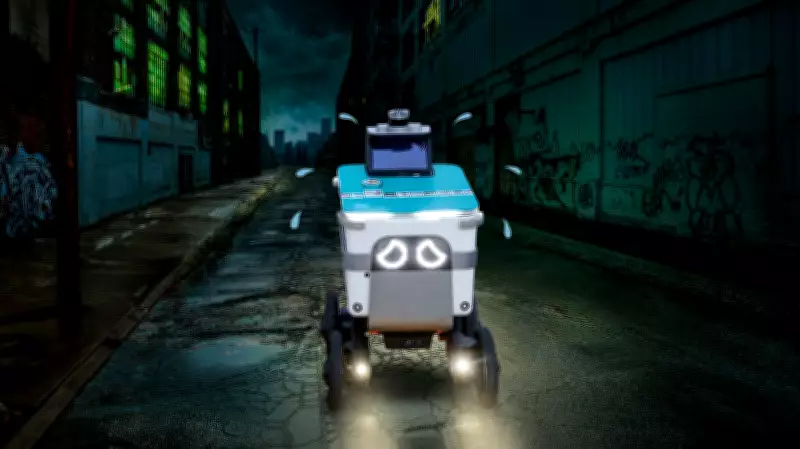
This phenomenon extends beyond mere amusement. Many people report feeling genuine concern when watching food delivery bots navigate city sidewalks to deliver $16 burritos. This concern isn't entirely unfounded—across American cities, delivery robots have faced vandalism, with people kicking them over and damaging them. Yet despite knowing "it's just a bot," humans continue to develop emotional connections to these machines.
According to S. Shyam Sundar, professor and director at the Penn State Center for Socially Responsible Artificial Intelligence, this response is completely normal. "No, not at all," Sundar confirmed when asked if these feelings were unusual. Three decades of research demonstrate that humans treat computers as social entities when they meet specific criteria: interactivity, natural language use, and performance of roles traditionally filled by humans.

The Science Behind Our Social Responses
Delivery robots and dancing humanoids perfectly meet these criteria, making human social responses predictable. "There's an automatic social response that we have when we see someone being bullied," Sundar explained. "It's a script that we rely on without thinking too much; we don't pause to say, this is a machine and therefore undeserving of such social responses from me."
Studies consistently show that humans display polite behavior toward computers, often perceiving human qualities that machines don't actually possess and worrying about hurting their "feelings." Sundar emphasized that "it's not a conscious act but an automatic response that we are hardwired to show as humans."
Designing Robots for Emotional Connection
Robot design plays a crucial role in these emotional responses. While we're often warned about robot overlords, it's difficult to fear machines with LED eyes and human names like Sergio and Jamie. Companies like Avride and Coco Robotics intentionally design their delivery robots to appear cute and approachable.
"It's very important to us to design our robots in such a way that people connect with them and feel comfortable," said Felipe Chávez, co-founder of Kiwibot (now rebranded as robot.com), in a 2020 interview.
Kwan Min LEE, a professor of new media specializing in human-computer interaction at Nanyang Technological University in Singapore, explained that designers of social technologies never design function alone—they're also designing feeling. "The rounded edges, diminutive scale, gentle movements and almost childlike demeanor of many bots are not incidental," he noted. "They make the machines appear approachable, harmless, even deserving of protection."
Some robots have even embraced social causes. In 2023, Serve Robots introduced rainbow-painted robot Marsha, named for trans rights activist Marsha P. Johnson, demonstrating how robots can reflect human social values.
The Dark Side of Robot Relationships
Despite their cute designs, robots face significant hostility. Joanna Bryson, a longtime AI scholar and professor of ethics and technology at the Hertie School in Berlin, warned that "people think they are your friends, but they're actually cameras and microphones of corporations. You're right to be nervous."
LEE explained that delivery bots often become proxies for larger anxieties: "A delivery bot can become a proxy for anxieties about automation, inequality, surveillance or the impersonality of the platform economy. So the impulse to lash out at the robot is often not really about the machine itself; it's about the economic and social order the machine has come to represent."

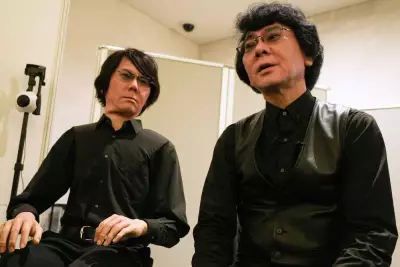
Sundar added that the "uncanny valley" effect can backfire when robots appear too human-like, causing repulsion rather than connection. Some people simply want to break things, while others find robots psychologically provocative because they seem socially present yet defenseless.
The Future of Human-Robot Coexistence
Serve Robotics predicts that the shift from humans to robots in last-mile logistics will create a $450 billion opportunity by 2030. As robotics and AI become more integrated into our lives, human-bot interactions will continue generating complex emotional responses.
Sundar hopes for more positive interactions: "For every person that vandalizes a self-driving car, let's hope there are many folks who will undo the damage and help clean it up as an act of social responsibility."
Ultimately, LEE believes these robots teach us more about ourselves than about machines. Borrowing sociologist Sherry Turkle's concept, he considers delivery bots "evocative objects" that invite reflection, projection and emotional response. "So the deeper question is not simply whether humans will care about robots," he concluded. "It is what it means when companies intentionally design machines to elicit attachment, sympathy, and protective feelings. That is not just a technical matter; it is also a cultural and ethical one."