Toronto's Waabi Pioneers AI for Autonomous Trucks and Robotaxis
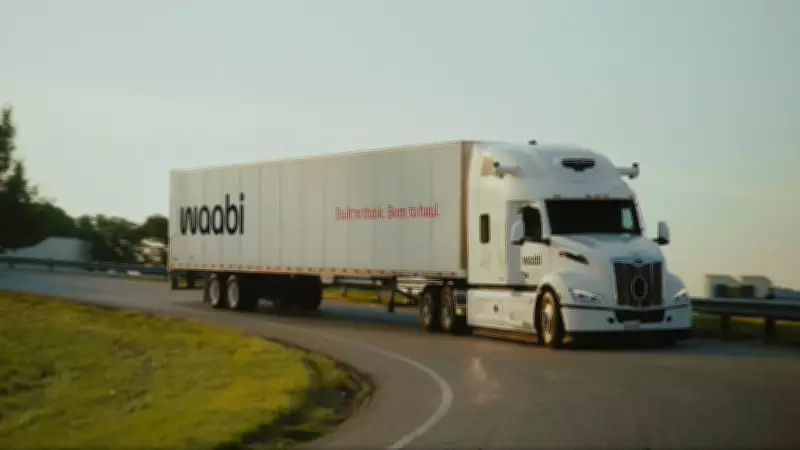
In a significant development for the Canadian technology sector, Toronto-based company Waabi is harnessing cutting-edge artificial intelligence to expand its autonomous vehicle system. The firm, founded and led by CEO Raquel Urtasun, is focusing on the development of AI for autonomous trucks and robotaxis, marking a bold step forward in the future of transportation.
Innovative Approach to Autonomous Technology
During a recent interview with BNN Bloomberg, Urtasun elaborated on Waabi's unique strategy. The company is leveraging advanced AI algorithms to create more efficient and safer autonomous driving systems. Unlike traditional methods that rely heavily on real-world testing, Waabi emphasizes simulation and machine learning to accelerate development and reduce risks.
This approach allows for rapid iteration and refinement of autonomous systems, potentially leading to quicker deployment on public roads. Urtasun highlighted that the technology is designed to handle complex urban environments and long-haul routes, making it versatile for both trucking and taxi applications.

Impact on the Automotive and Tech Industries
The expansion of Waabi's autonomous vehicle system could have far-reaching implications for various sectors. In the automotive industry, it promises to enhance logistics and reduce human error in transportation. For the tech sector, it represents a milestone in AI integration with physical systems, showcasing Canada's growing prowess in innovation.
Toronto's vibrant tech ecosystem provides a fertile ground for such advancements, with access to top talent and research institutions. Waabi's work aligns with global trends toward automation and smart mobility, positioning the company as a key player in this competitive field.
Challenges and Future Prospects
Despite the progress, autonomous vehicle technology faces regulatory and safety hurdles. Urtasun acknowledged these challenges but expressed confidence in Waabi's ability to navigate them through rigorous testing and collaboration with stakeholders. The company's focus on AI-driven solutions aims to address common concerns about reliability and adaptability in diverse driving conditions.
Looking ahead, Waabi plans to continue scaling its operations and exploring new applications for its technology. This could include partnerships with logistics companies and urban planners to integrate autonomous systems into broader transportation networks. As the industry evolves, Waabi's innovations may set new standards for safety and efficiency in autonomous driving.
In summary, Waabi's efforts in Toronto highlight the city's role as a hub for technological innovation. By advancing AI for autonomous trucks and robotaxis, the company is not only pushing the boundaries of what's possible in transportation but also contributing to Canada's reputation as a leader in cutting-edge tech development.