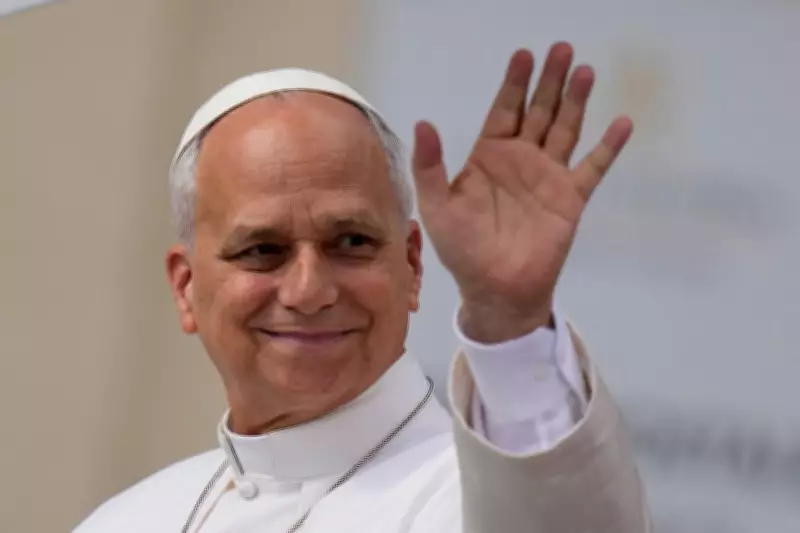
The Vatican has been increasingly vocal about the implications of artificial intelligence, with Pope Leo XIV expected to release an encyclical on the subject soon. This primer outlines the key positions taken by the Holy See.
Vatican's Core Concerns
The Church has emphasized that AI must serve humanity, not replace it. In previous addresses, Pope Leo XIV warned against the dehumanization of society through automation and stressed the need for ethical guidelines.
Human Dignity and AI
One central theme is the protection of human dignity. The Vatican argues that AI systems should not undermine human worth or autonomy. It calls for transparency in algorithms and accountability for decisions made by machines.

AI in Warfare
The Pope has decried the rise of AI-directed warfare, stating it leads to a spiral of annihilation. The Vatican advocates for strict international regulations to prevent autonomous weapons from making life-and-death decisions.
Economic and Social Impacts
The Church also worries about AI's effect on labor markets, urging for policies that protect workers and ensure fair distribution of technological benefits. It supports the idea of a universal basic income as a buffer against job displacement.
Solidarity and the Common Good
Vatican officials emphasize that AI development should prioritize the common good, especially for the poor and marginalized. They call for global cooperation to avoid a digital divide that exacerbates inequality.
Upcoming Encyclical
Pope Leo XIV's encyclical is expected to synthesize these themes, offering a comprehensive moral framework for AI. It will likely address both opportunities and risks, urging responsible innovation grounded in Catholic social teaching.
The document is anticipated to influence Catholic institutions worldwide and contribute to broader public discourse on AI ethics.