In a case that underscores the dark side of rapidly advancing technology, two teenagers have been sentenced to probation for utilizing artificial intelligence to generate and disseminate counterfeit explicit images of their fellow students. The incident, which came to light in Lancaster County, Pennsylvania, has sparked widespread alarm about the potential for AI tools to be weaponized for harassment and exploitation.
Legal Consequences for Digital Misconduct
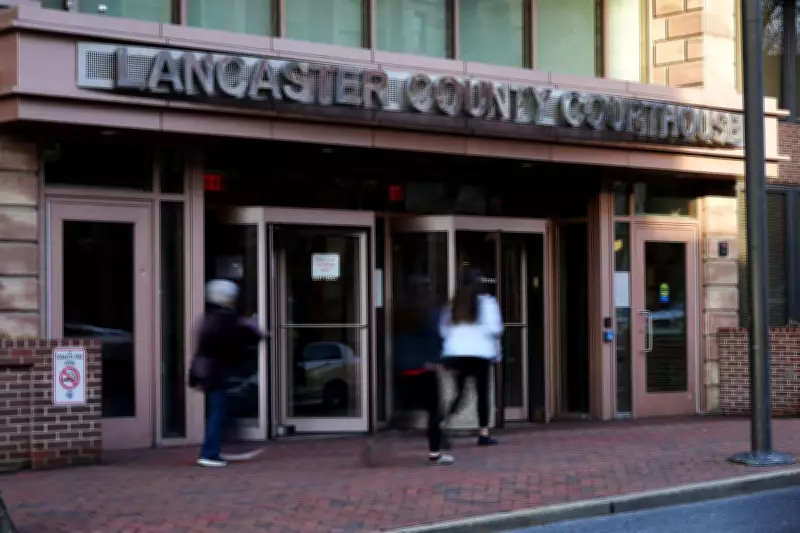
The Lancaster County Courthouse served as the setting for the sentencing on Wednesday, March 25, 2026. The juveniles, whose identities remain protected due to their age, faced charges related to the creation and distribution of digitally altered photographs that depicted classmates in compromising and false scenarios. After pleading guilty to offenses connected to cyber harassment and invasion of privacy, the court handed down sentences of probation rather than incarceration, emphasizing rehabilitation over punitive measures given the defendants' youth and lack of prior criminal records.
Rising Concerns Over AI-Generated Content
This case arrives amid a broader national and global conversation about the ethical implications of artificial intelligence. The accessibility of sophisticated AI software has made it increasingly simple for individuals to produce convincing deepfakes—manipulated media that can be nearly indistinguishable from authentic content. Law enforcement agencies and educational institutions are grappling with how to preemptively address such misconduct, which can have devastating psychological effects on victims.

Experts warn that without robust legal frameworks and technological safeguards, similar incidents are likely to proliferate. "The ease with which these tools can be misused is alarming," noted a cybersecurity analyst familiar with the case. "We are seeing a new frontier in digital bullying, where the lines between reality and fabrication are deliberately blurred."
Impact on Victims and Community Response
The fake images circulated among peers, causing significant emotional distress to the targeted students and their families. School administrators and local authorities collaborated closely to investigate the matter, leading to the identification of the perpetrators. In response, the school district has initiated enhanced digital literacy programs aimed at educating students about the responsible use of technology and the serious legal ramifications of online harassment.
Community leaders have called for increased parental vigilance and open dialogues about internet safety. "This is a wake-up call for all of us," stated a Lancaster County school board member. "We must equip our youth with the knowledge to navigate the digital world ethically and to understand the real-world consequences of their virtual actions."
Legal Precedents and Future Implications
While probationary sentences are common for first-time juvenile offenders, this case may set a precedent for how similar AI-related crimes are adjudicated in the future. Legislators in several states, including Pennsylvania, are considering bills that would specifically criminalize the non-consensual creation and distribution of deepfake content, with penalties ranging from fines to imprisonment for more severe offenses.
The resolution of this incident serves as a stark reminder of the dual-edged nature of technological progress. As artificial intelligence continues to evolve, so too must our legal and educational systems to protect individuals from its potential for harm while fostering innovation.