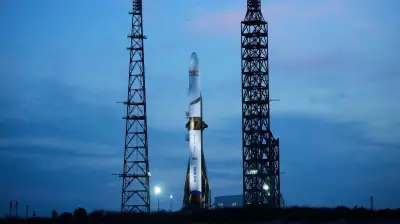
In a move that could reshape the landscape of both artificial intelligence and space exploration, Elon Musk's SpaceX and his AI venture xAI are engaged in discussions to merge. This strategic combination would bring together Musk's diverse technological empire under a single corporate umbrella ahead of a highly anticipated public offering planned for later this year.
A Unification of Technological Powerhouses
According to exclusive information obtained by Reuters from a confidential source and recent corporate filings, the proposed merger would consolidate SpaceX's rocket technology and Starlink satellite network with xAI's Grok chatbot and the X social media platform. This integration represents a significant consolidation of Musk's technological assets, creating a formidable entity spanning multiple cutting-edge industries.
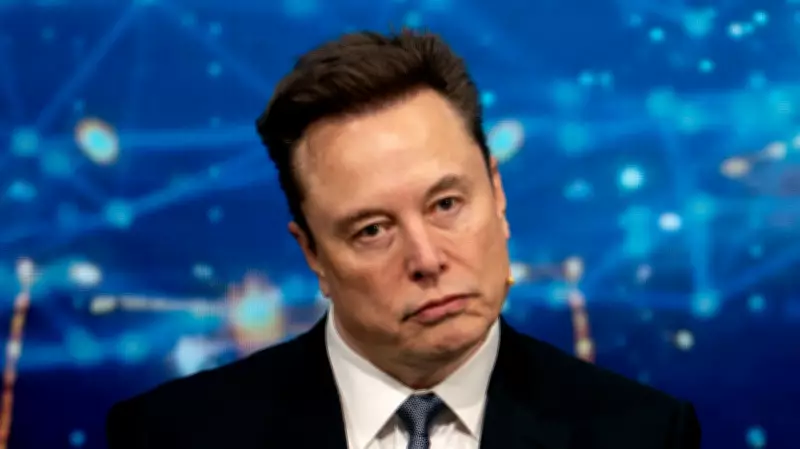
Elon Musk, who serves as CEO of both SpaceX and xAI while also leading Tesla, The Boring Company, and Neuralink, stands at the center of this potential corporate restructuring. The merger would involve exchanging xAI shares for SpaceX stock, with two Nevada-based entities established on January 21 to facilitate the transaction.

Financial and Strategic Implications
While specific financial terms remain undisclosed, the potential merger involves two of the world's most valuable private companies. SpaceX recently achieved an $800 billion valuation through insider share sales, while xAI was valued at $230 billion in November. Industry observers anticipate that a combined entity could command a valuation exceeding $1 trillion when it eventually goes public.
The person familiar with the discussions, who requested anonymity due to the confidential nature of the talks, revealed that some xAI executives might receive cash options instead of SpaceX stock as part of the arrangement. However, they emphasized that no final agreement has been signed, and both the timing and structure of the transaction remain subject to change.
The Space-Based AI Vision
This potential merger aligns with Musk's ambitious vision for space-based artificial intelligence infrastructure. Speaking recently at the World Economic Forum in Davos, Switzerland, the billionaire entrepreneur predicted that "the lowest cost place to put AI will be in space" within the next two to three years.
SpaceX's orbital data center initiative aims to leverage solar energy to power AI processing, potentially reducing the substantial computing costs associated with training and running advanced AI models like xAI's Grok. This approach places Musk in direct competition with other tech giants, including Jeff Bezos' Blue Origin and Google's Project Suncatcher, both of which are exploring similar space-based computing solutions.
Defense and Security Applications
The merger could significantly strengthen SpaceX's position in securing major defense contracts with the Pentagon, which has been actively pursuing AI integration within military networks. Caleb Henry of Quilty Analytics noted that combining xAI's capabilities with SpaceX's existing infrastructure would create a powerful offering for defense applications.
This assessment gained credibility when U.S. Defense Secretary Pete Hegseth recently visited SpaceX's Starbase facility in Texas, announcing plans to integrate xAI's language model and Grok platform into military networks as part of the Pentagon's AI acceleration strategy. xAI already holds a contract worth up to $200 million to provide Grok products to the Department of Defense.
SpaceX's existing Starlink and Starshield networks already incorporate artificial intelligence for automated satellite maneuvers, while the classified Starshield program is developing hundreds of sensor-equipped satellites that will use AI to track moving targets on Earth.
Historical Context and Industry Impact
This would not mark Musk's first attempt to consolidate his business interests. In 2025, he merged the X social media platform into xAI through a share swap, providing the AI startup with valuable data and distribution channels. Earlier, in 2016, he used Tesla stock to acquire SolarCity, his solar energy company.

The timing of these merger discussions coincides with significant financial developments for both companies. Earlier this month, xAI successfully raised $20 billion in an expanded Series E funding round, surpassing its $15 billion target. Meanwhile, Tesla recently announced a $2 billion investment in xAI, further intertwining Musk's corporate ecosystem.
Since its founding in 2002, SpaceX has revolutionized the space industry with reusable Falcon rockets that enabled the rapid deployment of the Starlink satellite network. The company has reportedly engaged financial institutions to prepare for an initial public offering that could occur as early as this year.
Industry analysts continue to debate the viability of space-based data centers, particularly given the rapid and often unpredictable evolution of AI investment. Some question whether the projected energy savings justify the additional costs of adapting computing systems for space environments. Nevertheless, the potential SpaceX-xAI merger represents a bold attempt to redefine the boundaries of both artificial intelligence and space technology.